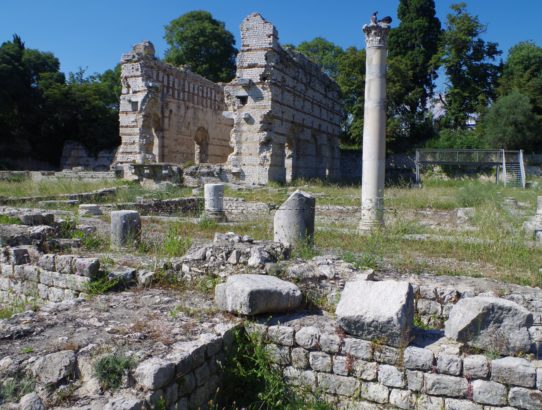


Cemenelum, Alpes Maritimae

History Perched on a hill above the bustling city of Nice, in a neighborhood derived from the ancient city’s name (Cimiez), are the remains of the Roman town of Cemenelum. Preceding Cemenelum were both a Gallic and Greek settlement in the immediate area. The Greek settlement, Nikaia, was founded by colonists from Massalia in the…

Read More

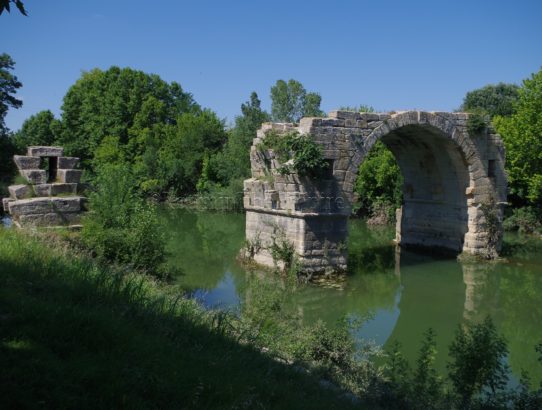
Ambrussum, Gallia Narbonensis

History Located near the present day town of Gallargues-le-Montueux is the Gallo-Roman settlement of Ambrussum. The site was occupied as far back as the second millennium BCE, but the Gallic oppidium seems to have been constructed about 300 BCE. Like nearby Nemausus, the oppidum at Ambrussum was in the territory of the Volcae Arecomici. Shortly…

Read More

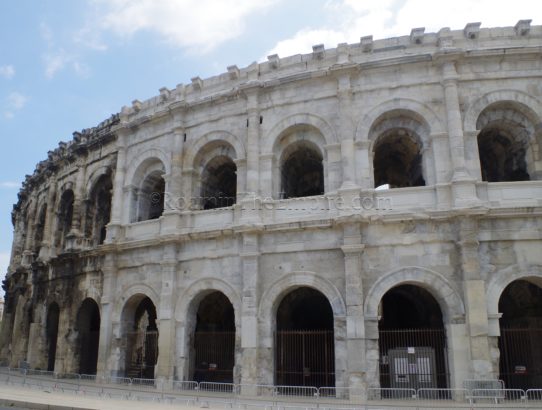
Nemausus, Gallia Narbonensis – Part I

  History As was the case at Glanum, the origins of the settlement of Nemausus seem to lie in the presence of a sacred spring and sanctuary dedicated to that deity of the spring. Located in the territory of the Volcae Arecomici, a settlement grew in the area during the 3rd and 2nd centuries BCE,…

Read More

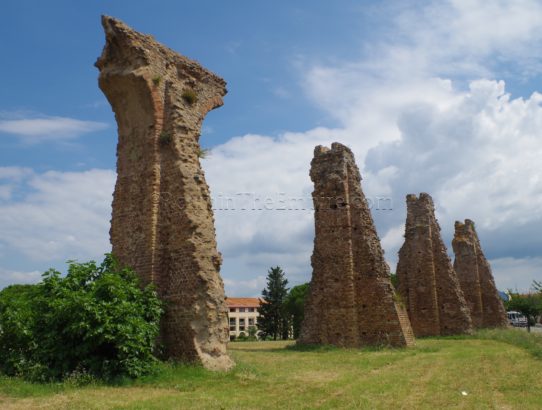
Nemausus Aqueduct, Gallia Narbonensis

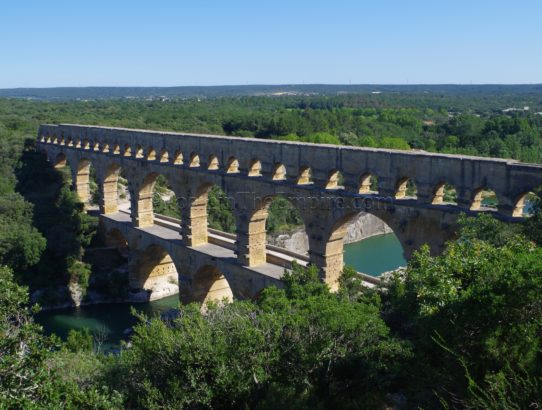
Most Recent Visit: June 2018. Perhaps one of the most recognizable vestiges of the Roman era in France, and maybe even in the whole of the Mediterranean world, is the towering Pont du Gard aqueduct bridge. The Pont du Gard is just one point in the roughly 50 kilometer route of an aqueduct that carried…

Read More

Massalia, Gallia Narbonensis

Most Recent Visit: June 2018 The forerunner to the current second largest city in France, Marseille, was the important ancient city of Massalia. Massalia was the oldest Greek colony in Gaul, founded in 600 BCE by Greeks from Phocaea. According to Thucydides, this was opposed by the Carthaginians, who were subsequently defeated in a naval…

Read More

Via Domitia, Gallia Narbonensis

Most Recent Visit: June 2018 As has been discussed in previous posts, there are a number of sites that would be categorized as miscellaneous; not associated with any major site that would warrant a full post to itself, but also very much worth visiting. A number of these sites spring up along the path of…

Read More

Arelate, Gallia Narbonensis – Part II

Continued From Arelate Part I A bit north of the Place du Forum, at about 13 Rue du Sauvage, are the remains of a basilica incorporated into the façade of the Hôtel d’Arlatan. A sign on the building on the west side of Rue du Sauvage marks the spot. Some of the stonework in the…

Read More

Arausio, Gallia Narbonensis

Most Recent Visit: June 2018 Not far from the confluence of the Rhône and L’Aigue rivers is the French town of Orange, which boasts perhaps two of the most well-known Roman monuments in France; the UNESCO World Heritage Sites of the Théâtre Antique d’Orange and the Arc de Triomphe d’Orange. Located in the territory of…

Read More

Vasio Vocontiorum, Gallia Narbonensis – Part II

Continued From Vasio Vocontiorum Part I Puymin La Villasse is exited through the same way it is entered, and the entrance to Puymin is just directly across the road where the ticket is purchased. Immediately inside the park is another large residence, the Maison de l’Apollon Lauré (House of the Laurelled Apollo), sometimes referred to…

Read More

Gallia Narbonensis Sites – North

Most Recent Visit: June 2018. Valentia In antiquity, the French city of Valence was preceded by the Roman settlement of Valentia. Valentia was located at the second most important crossroads in the region, behind Lugdunum, where the Via Agrippa running between Lugdunum and Arelate intersected with a road running to the east toward Italy via…

Read More