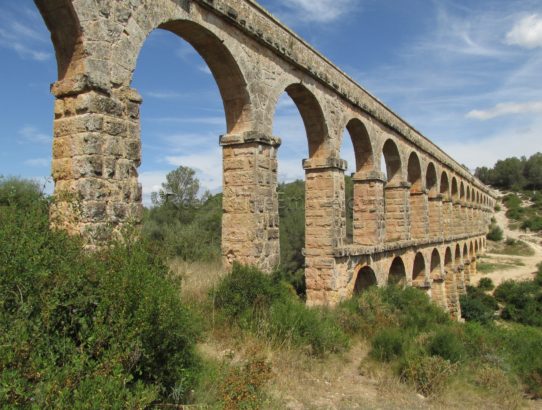


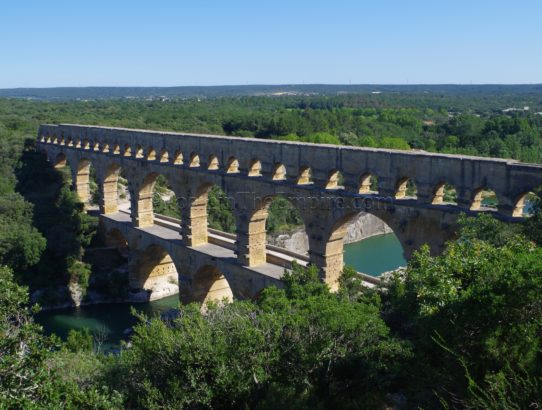
Nemausus Aqueduct, Gallia Narbonensis

Most Recent Visit: June 2018. Perhaps one of the most recognizable vestiges of the Roman era in France, and maybe even in the whole of the Mediterranean world, is the towering Pont du Gard aqueduct bridge. The Pont du Gard is just one point in the roughly 50 kilometer route of an aqueduct that carried…

Read More
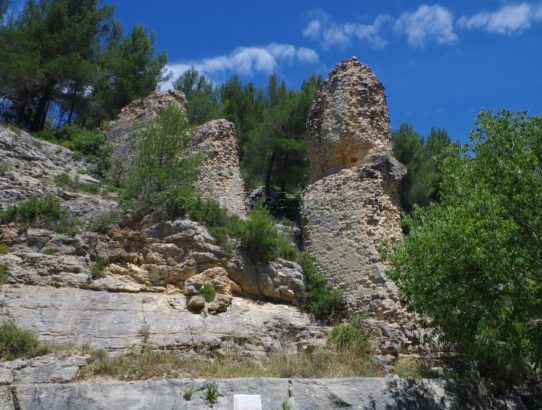
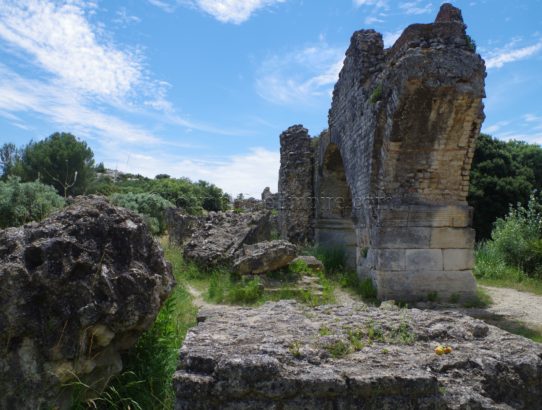
Aquae Sextiae, Gallia Narbonensis

Most Recent Visit: June 2018 The Roman town of Aquae Sextiae Salluviorum, on the site of present-day Aix-en-Provence, was founded by the proconsul Gaius Sextius Calvinus in 122 BCE, making it the oldest Roman settlement in Gaul. The ‘Aquae’ referred to a hot spring nearby, the ‘Sextiae’ to the name of the founder, and the…

Read More

Gallia Narbonensis – Arelate/Massalia Area

Most Recent Visit: June 2018. One of the great things about having a private vehicle is being able to visit some of the smaller sites that are often in rural areas with limited or no public transportation options. As with some of the other sites in Gallia Narbonensis, I’ve grouped some of these smaller sites…

Read More

Massalia, Gallia Narbonensis

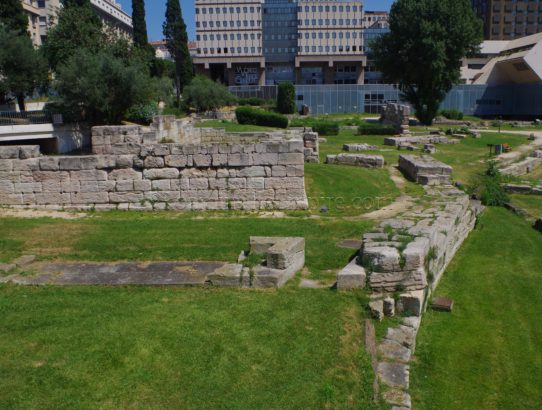
Most Recent Visit: June 2018 The forerunner to the current second largest city in France, Marseille, was the important ancient city of Massalia. Massalia was the oldest Greek colony in Gaul, founded in 600 BCE by Greeks from Phocaea. According to Thucydides, this was opposed by the Carthaginians, who were subsequently defeated in a naval…

Read More

Lugdunum, Gallia Lugdunensis – Part II

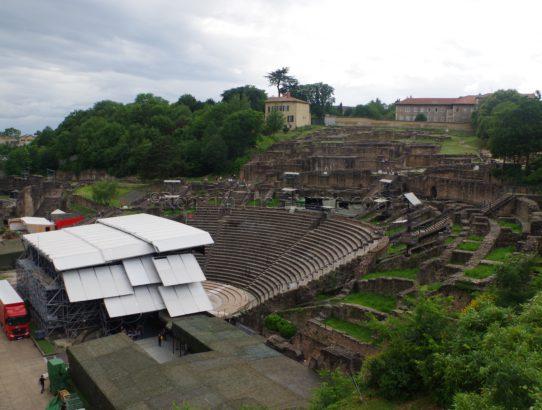
Continued from Lugdunum Part I Theater/Odeon Archaeological Area Adjacent to the museum is a complex that includes the theater, odeon, a sanctuary of Cybele, and a few other miscellaneous remains. This park is open every day from 7:00 to 21:00 during the summer (April 15 to September 15) and from 7:00 to 19:00 the rest…

Read More

Thermae Himerenses, Sicilia

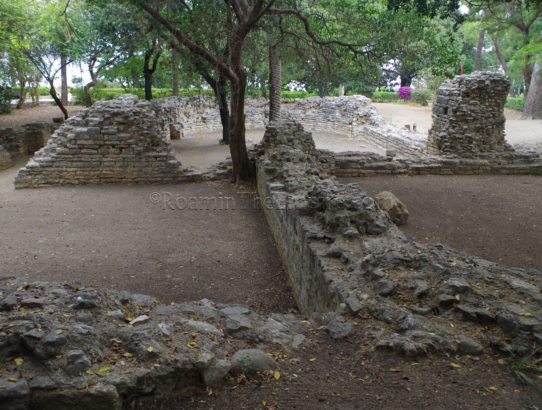
Most Recent Visit: June 2017. About 11 kilometers to the east of the modern town of Termini Imerese are the remains of ancient Himera. After a crushing Carthaginian defeat at Himera at the hands of the combined forces of Gelon of Syracuse and Theron of Akragas in 480 BCE ended the First Sicilian War between…

Read More

Barcino, Hispania Tarraconensis

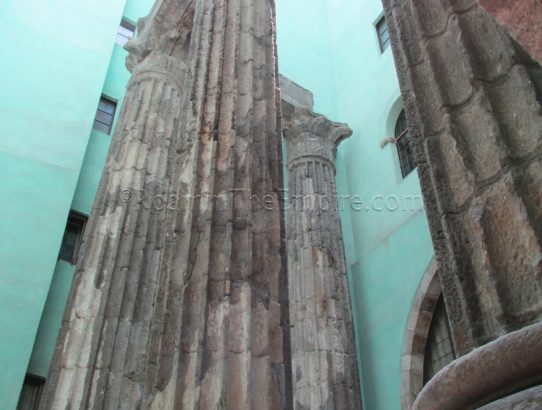
Most Recent Visit: June 2016 The site of modern day Barcelona seems to have been occupied well before the arrival of the Romans. According to legend, a city was founded on the location by Hercules. Another legend places the name Barcino as being derived from the Carthaginian Barcid family and was founded by Hamilcar Barca….

Read More

Tarraco, Hispania Tarraconensis – Part III

Continued From Tarraco Part II There are a number of interesting Roman sites in the area around Tarraco, most of them accessible with public transportation from Tarragona. The one exception to this is the Arc de Berà, an arch constructed in 13 BCE at the behest of Lucius Licinius Sura and dedicated to Augustus. This…

Read More

Augusta Emerita, Lusitania – Part VIII

  Quick Info: Museo Nacional de Arte Romano Calle de José Ramón Mélida, s/n 06800 Mérida Hours: Tue-Sat 09:30-20:00 (9:30-18:30, October through April) Sunday 10:00-15:00 Closed Monday Admission: 3 Euros Continued From Augusta Emerita Part VII As early as the 16th century CE, Roman finds from Augusta Emerita, including statuary and inscriptions, were known to…

Read More

Augusta Emerita, Lusitania – Part II

Continued From Augusta Emerita Part I The lifeblood of a Roman city, it’s not much of a surprise that Augusta Emerita relied on three separate aqueducts to thrive. The first of these three aqueducts constructed was, what is today often referred to as, the Cornalvo Aqueduct, but was probably called the Aqua Augusta in antiquity….

Read More