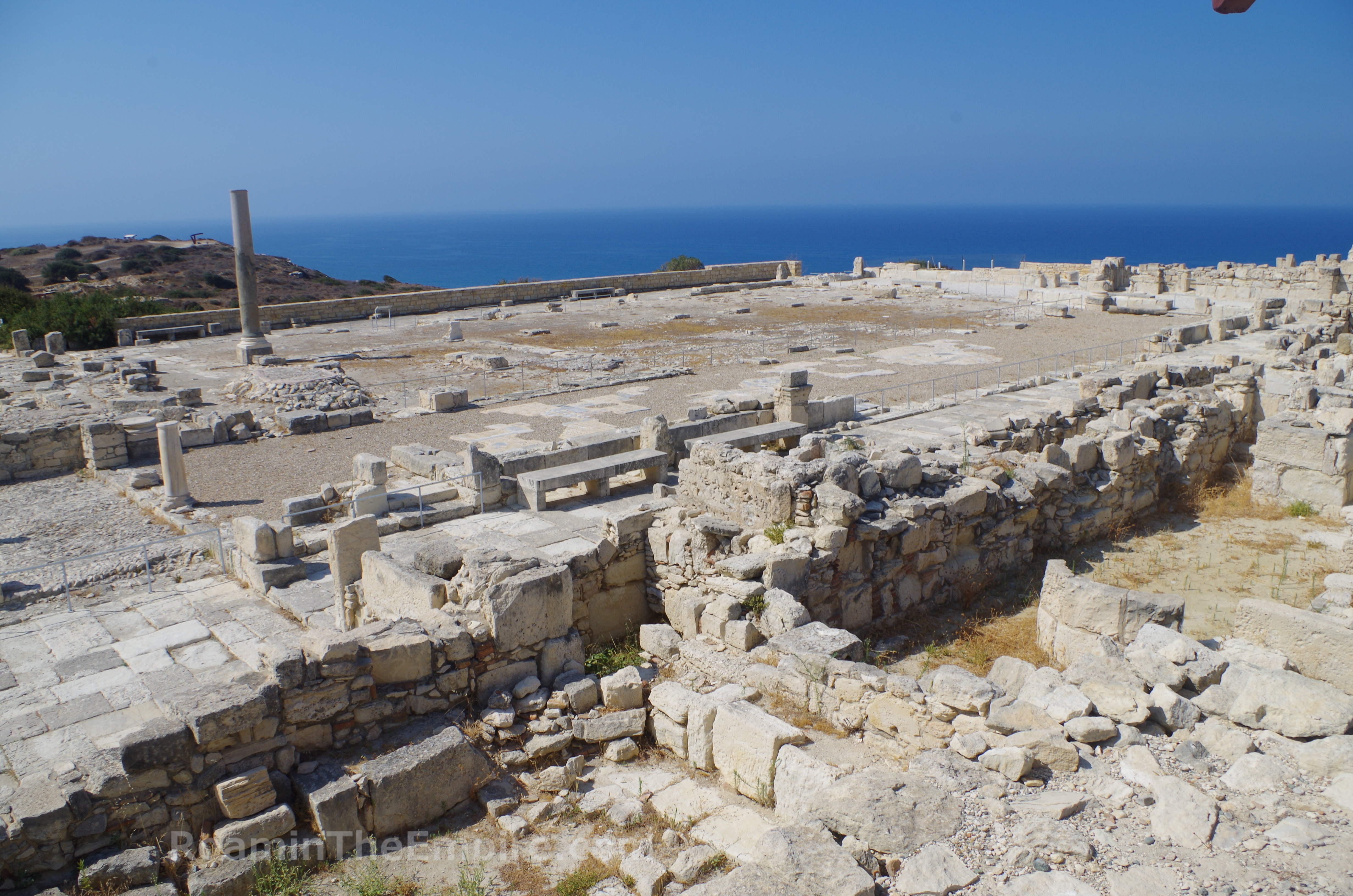


Basilica

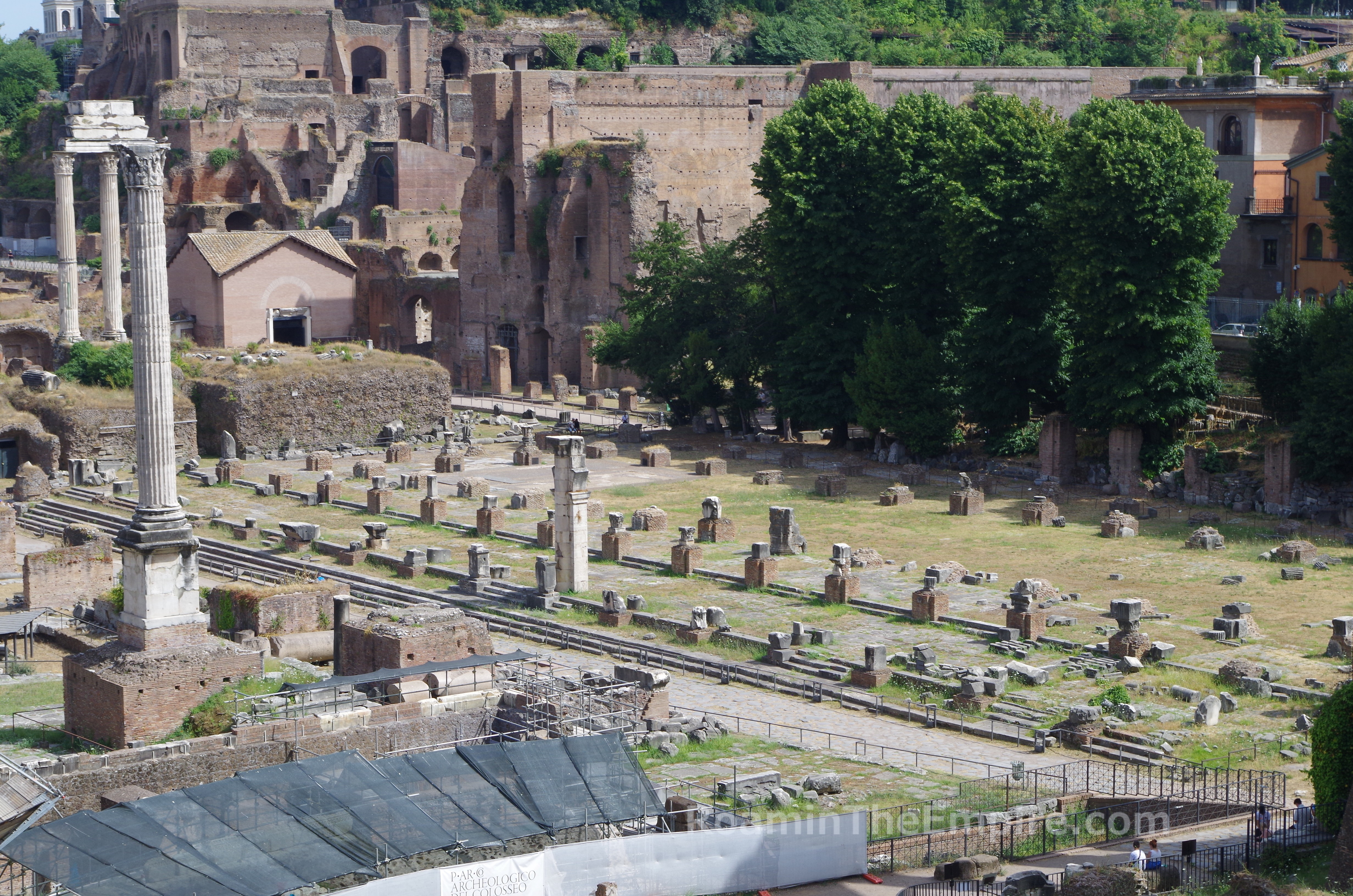
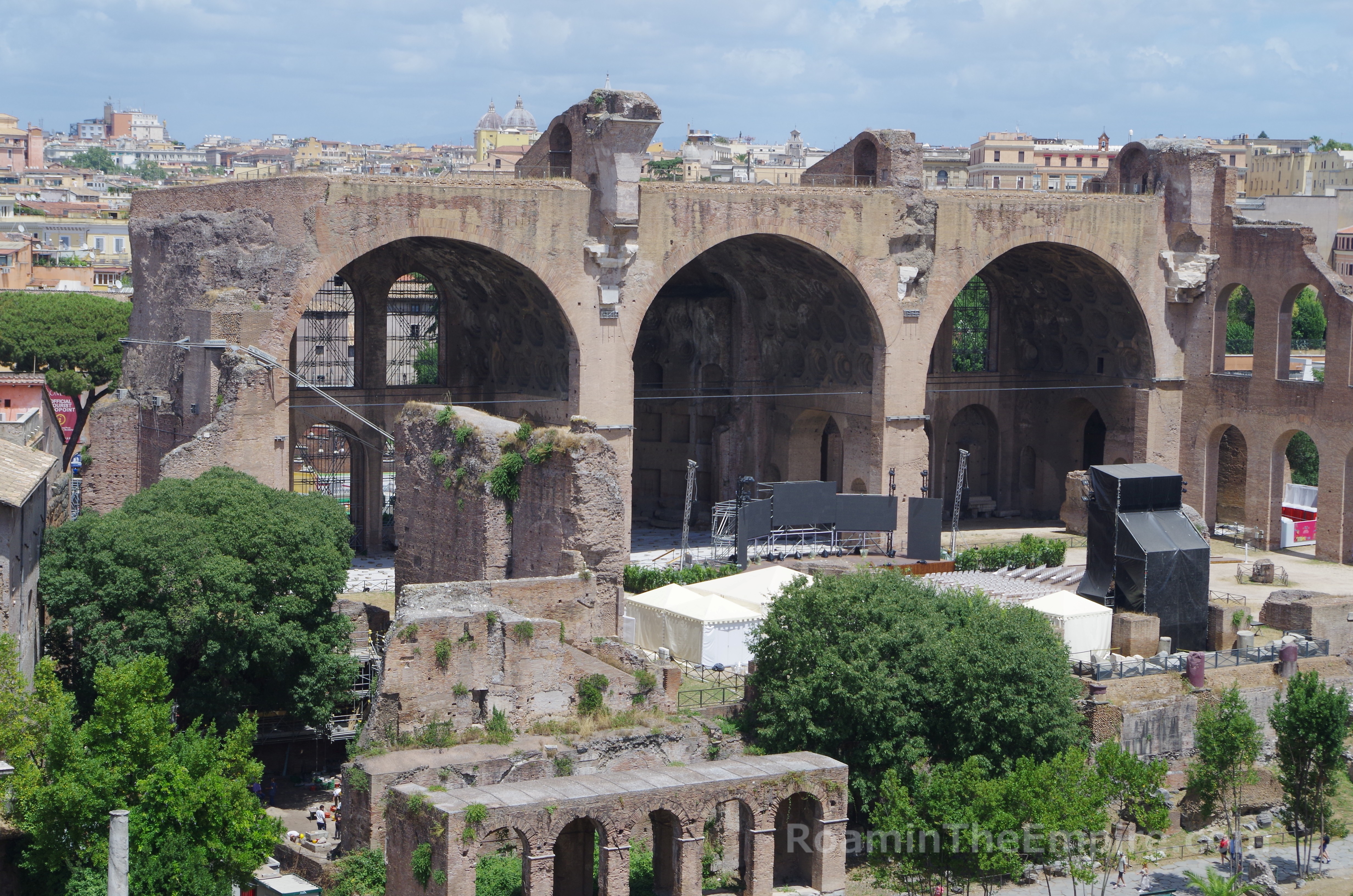
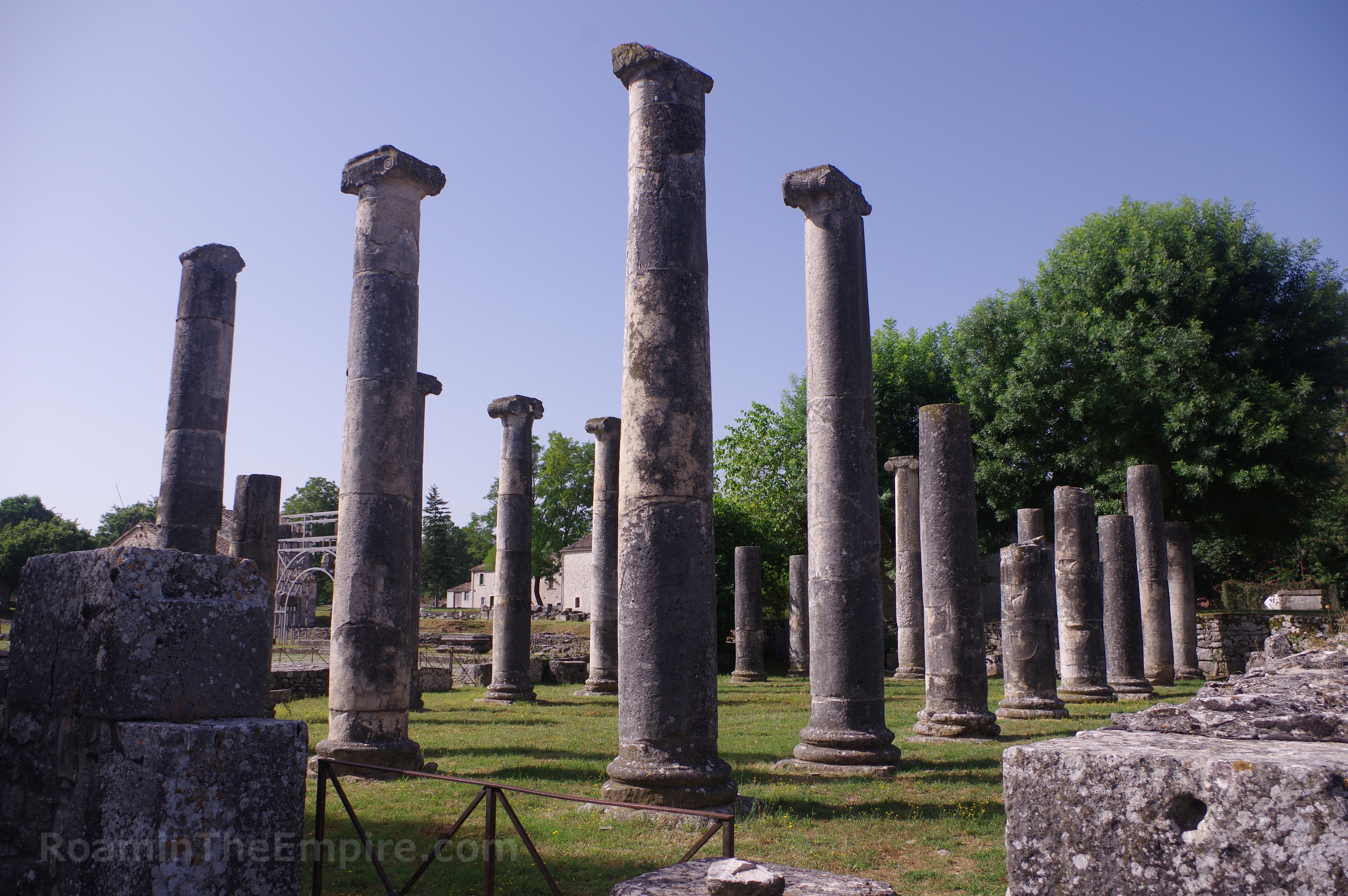
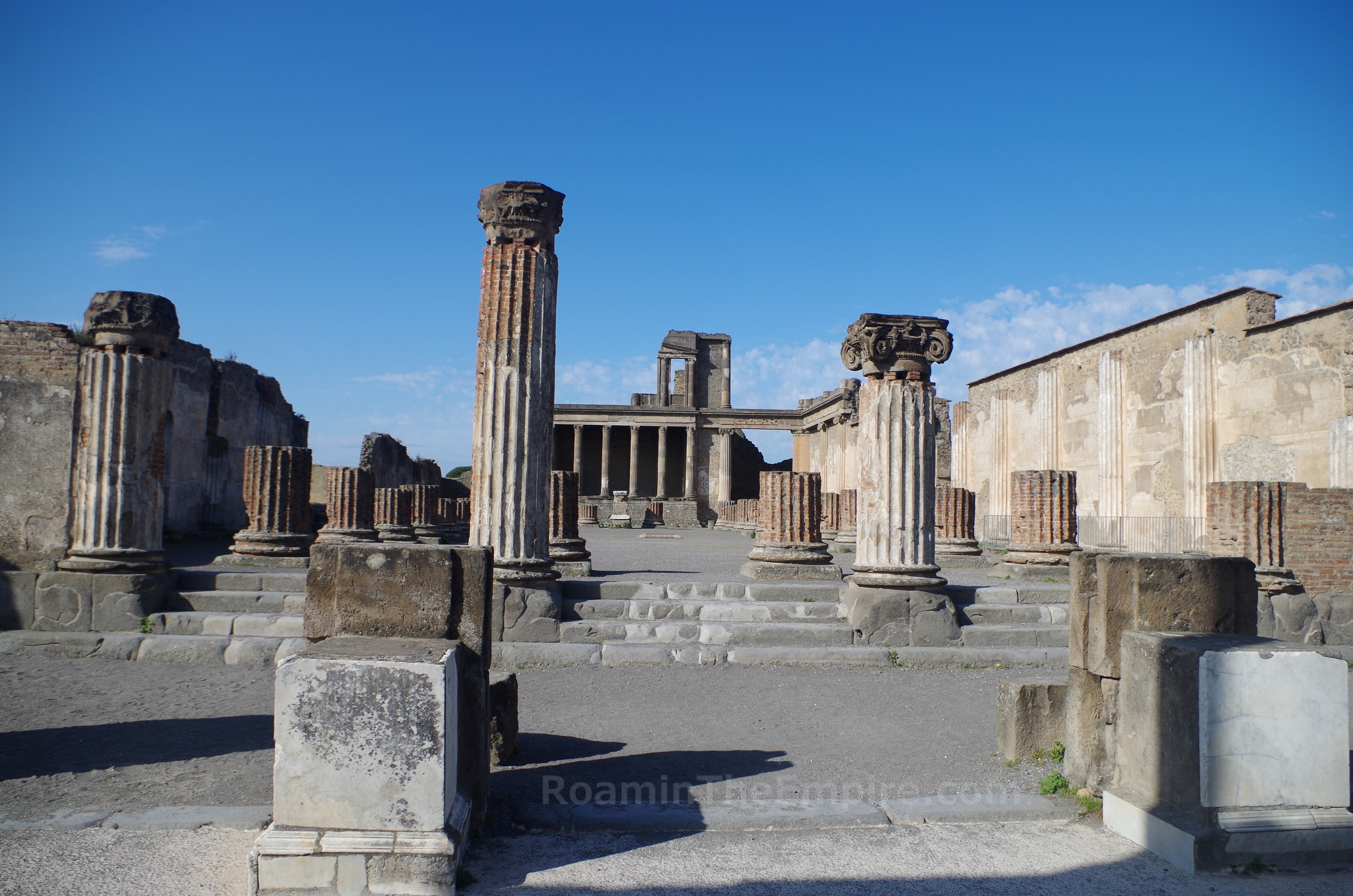
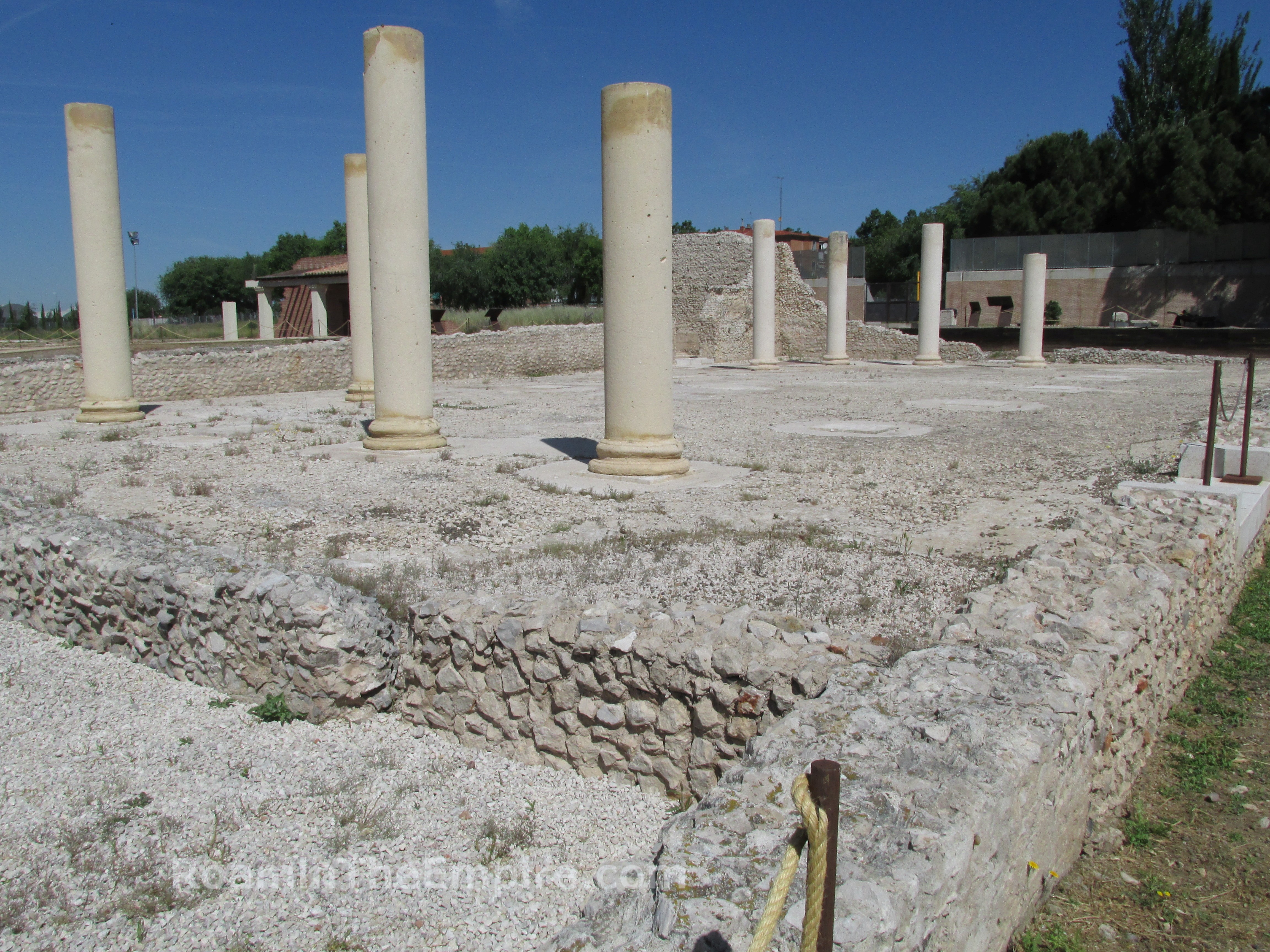
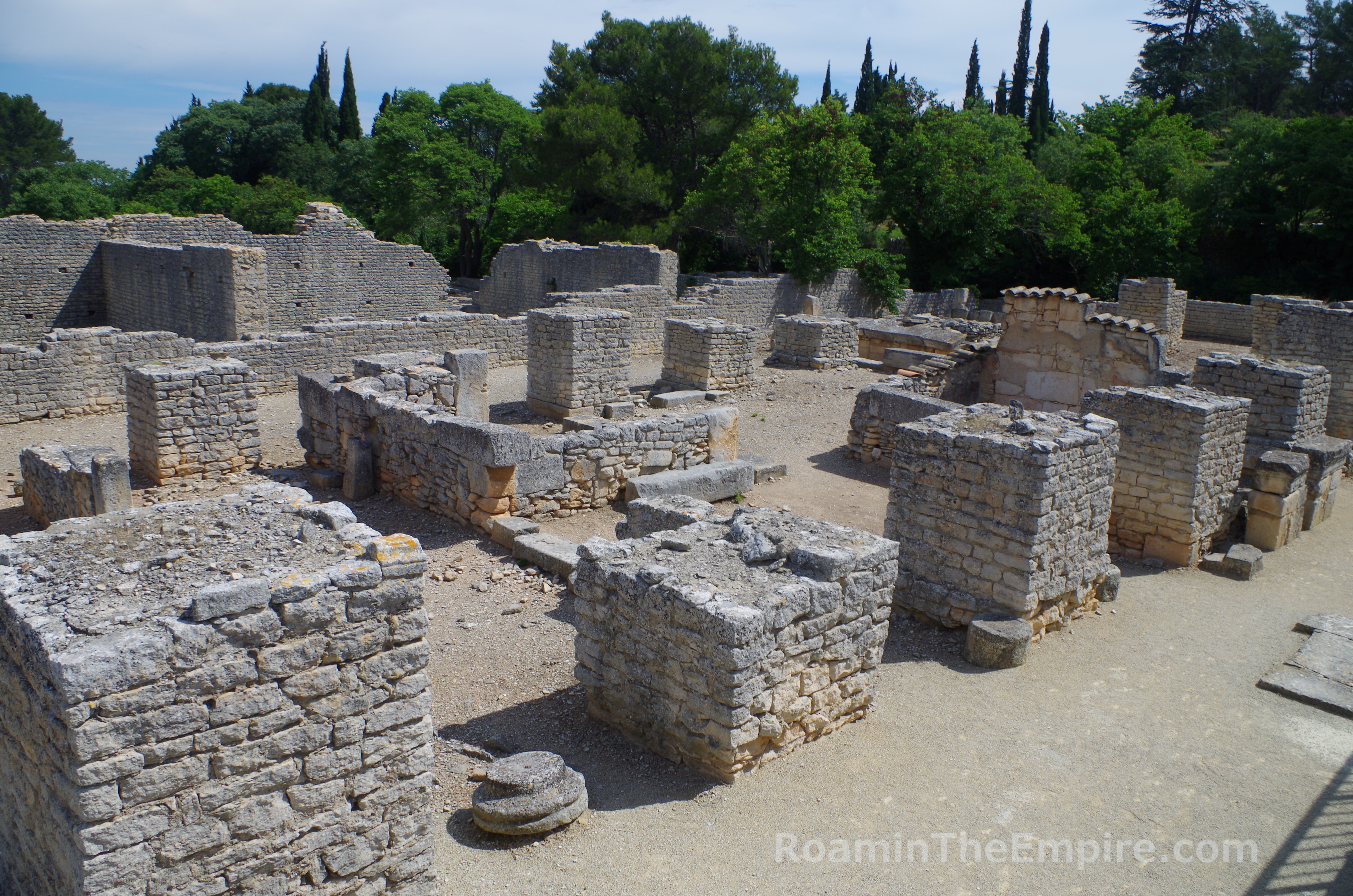
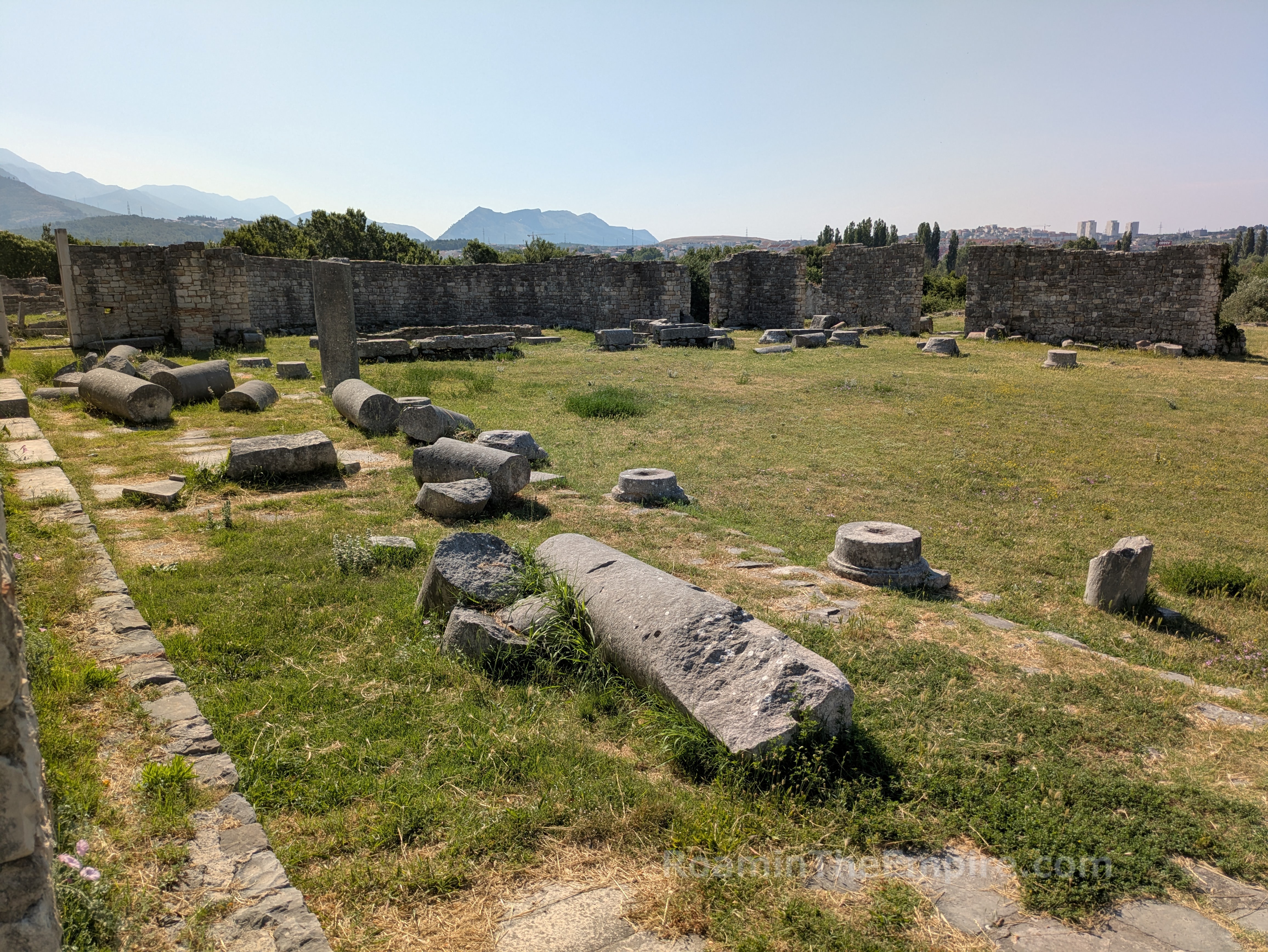
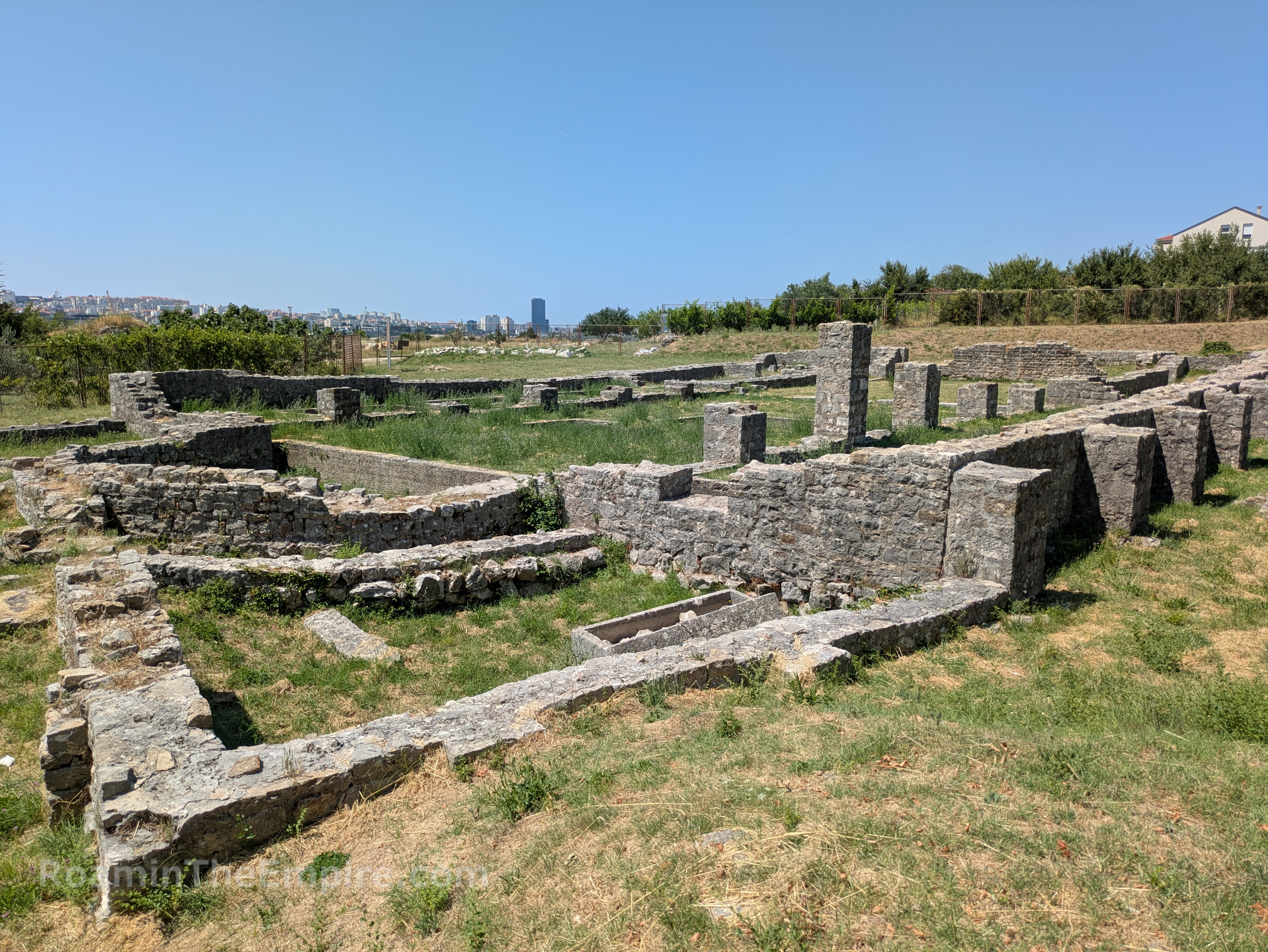
The basilica (plural basilicae) was a civic building which typically served as the law court (among other functions) for a Roman settlement. The name is derived from the Greek βασιλικός (basilikós), which was a word associated with royalty. Functionally it was derived from the βᾰσῐλῐκὴ στοά (basilikḕ stoá), the royal hall at the Athenian Agora, which housed the laws of Athens. The Roman civic basilica was often located on the forum of the settlement, sometimes making up one entire side of a forum. The generalized form of the civic basilica in the Roman world was typically a central nave flanked by two aisles, frequently with interior colonnades separating the tripartite space. One end, or in some cases both ends, of the nave would be apsidal. The central nave was two stories in height, though did not have two levels, but would typically contain galleries of windows, the clerestory. The form of individual basilicae would deviate from the generalized style. Though originally concerned primarily with hosting legal and business proceedings as a public building, in the later empire the style would also be used for private functions or public functions other than legal matters. Most famously, the style and name of the building were adopted for congregational spaces by early Christians, a use still preserved through to modernity.