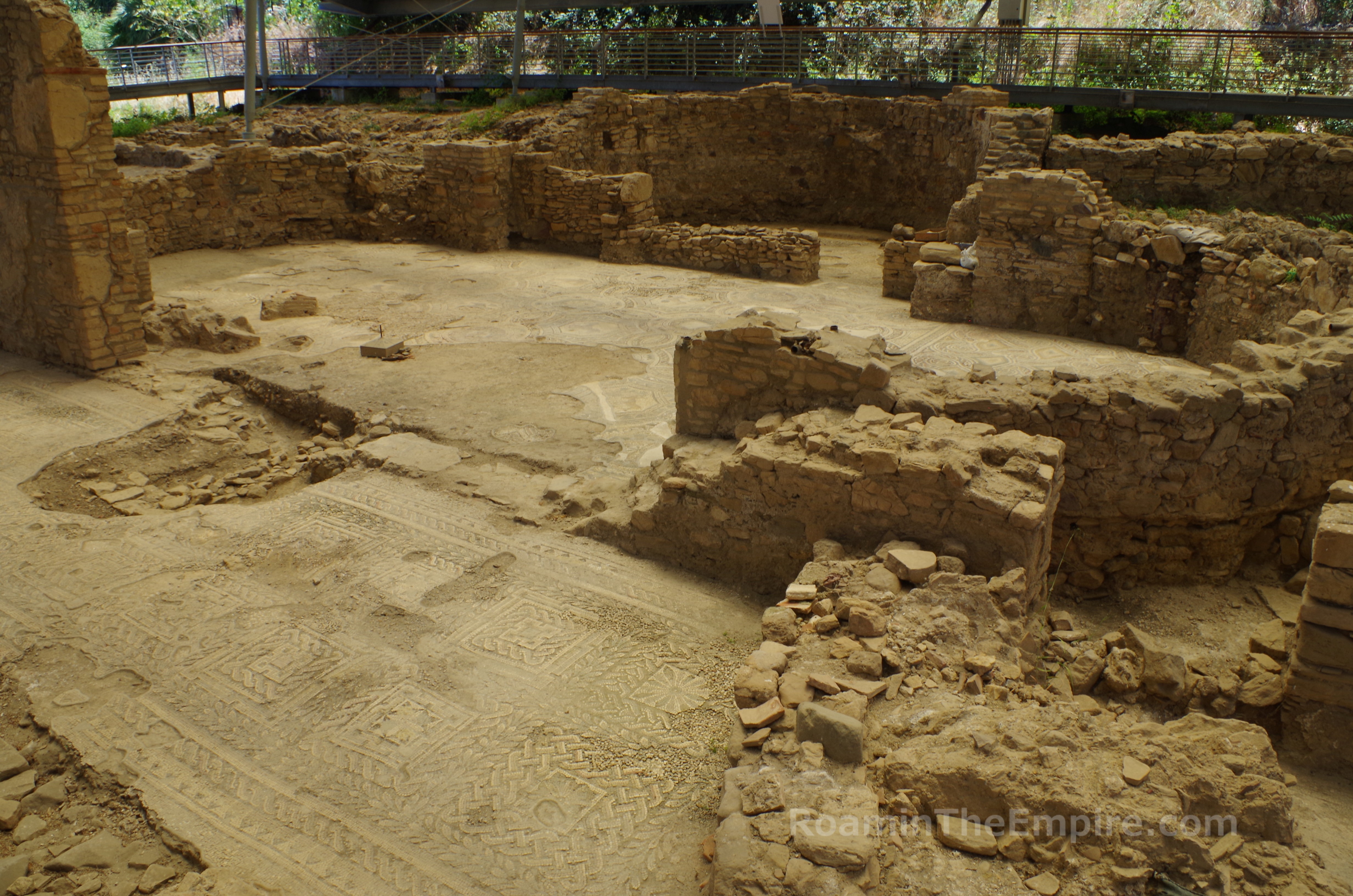


Triclinium
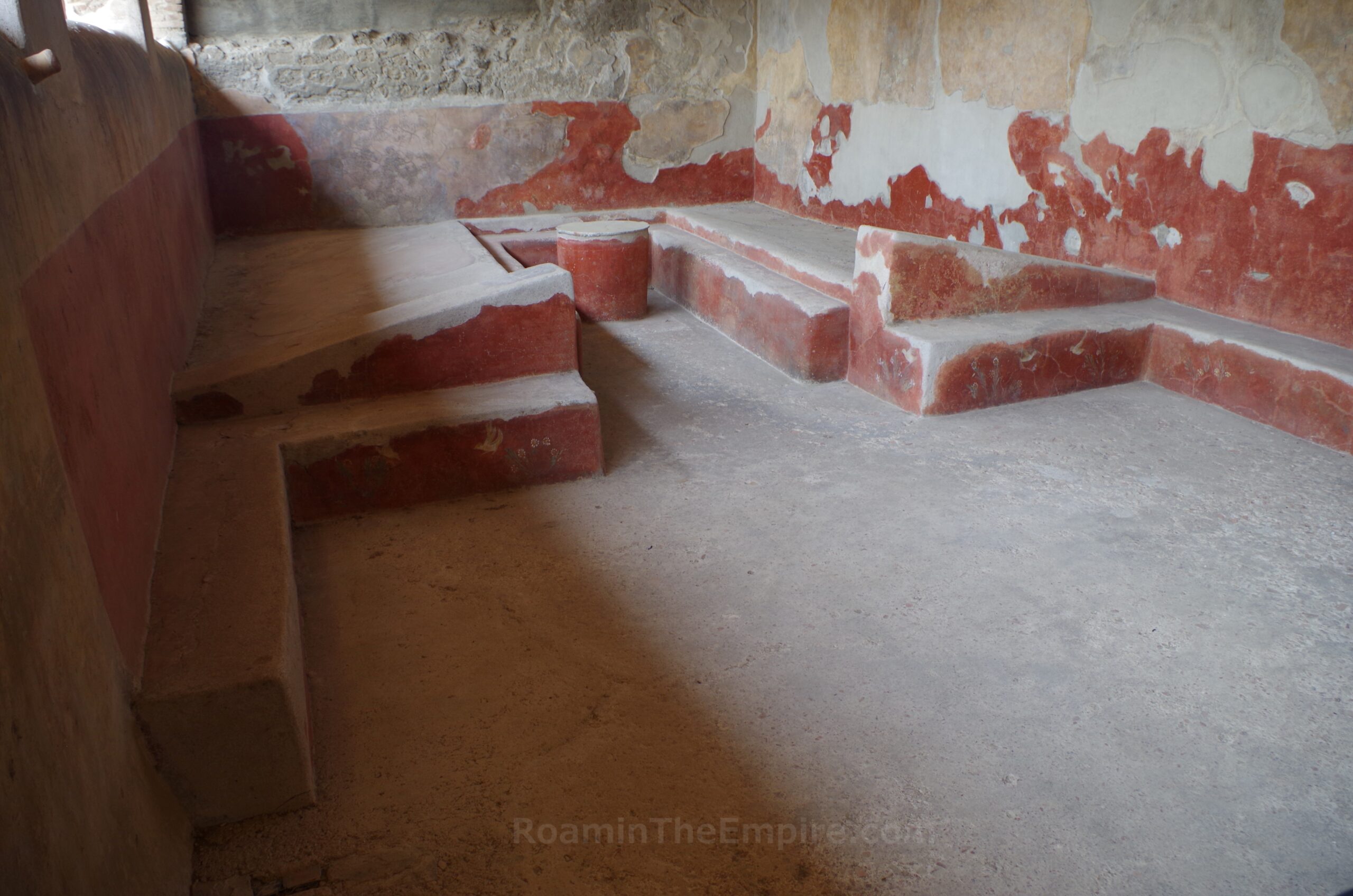
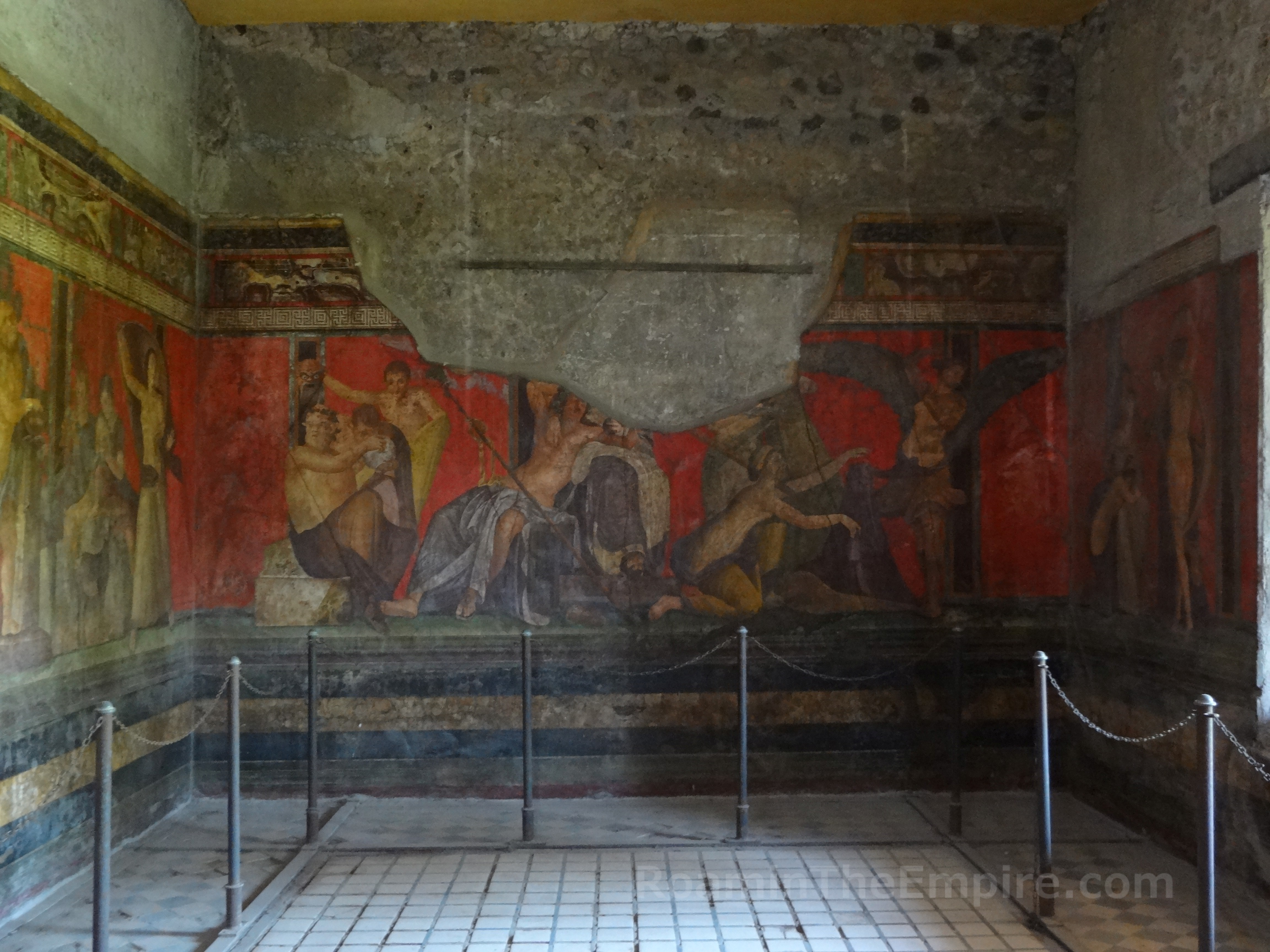
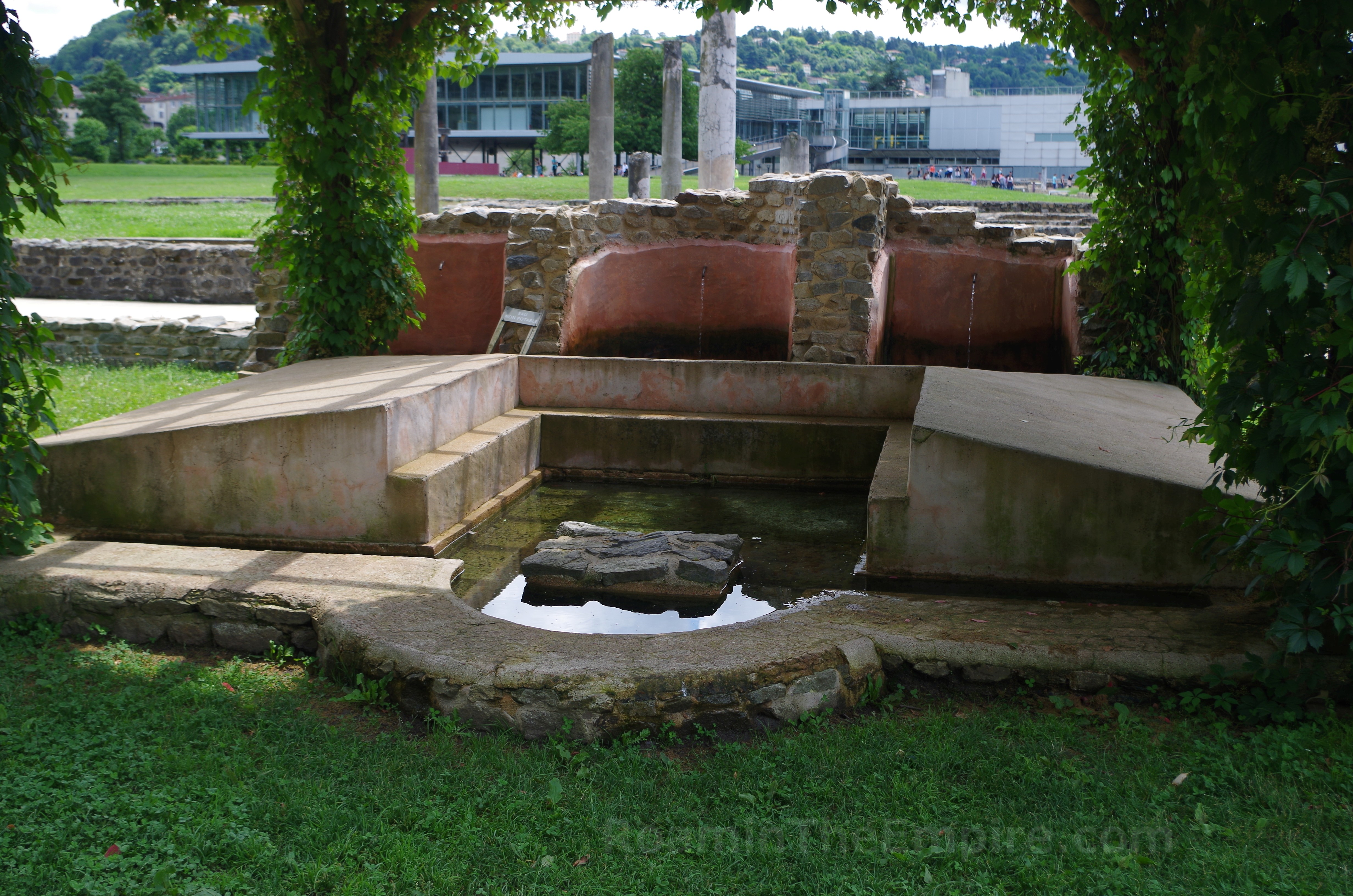
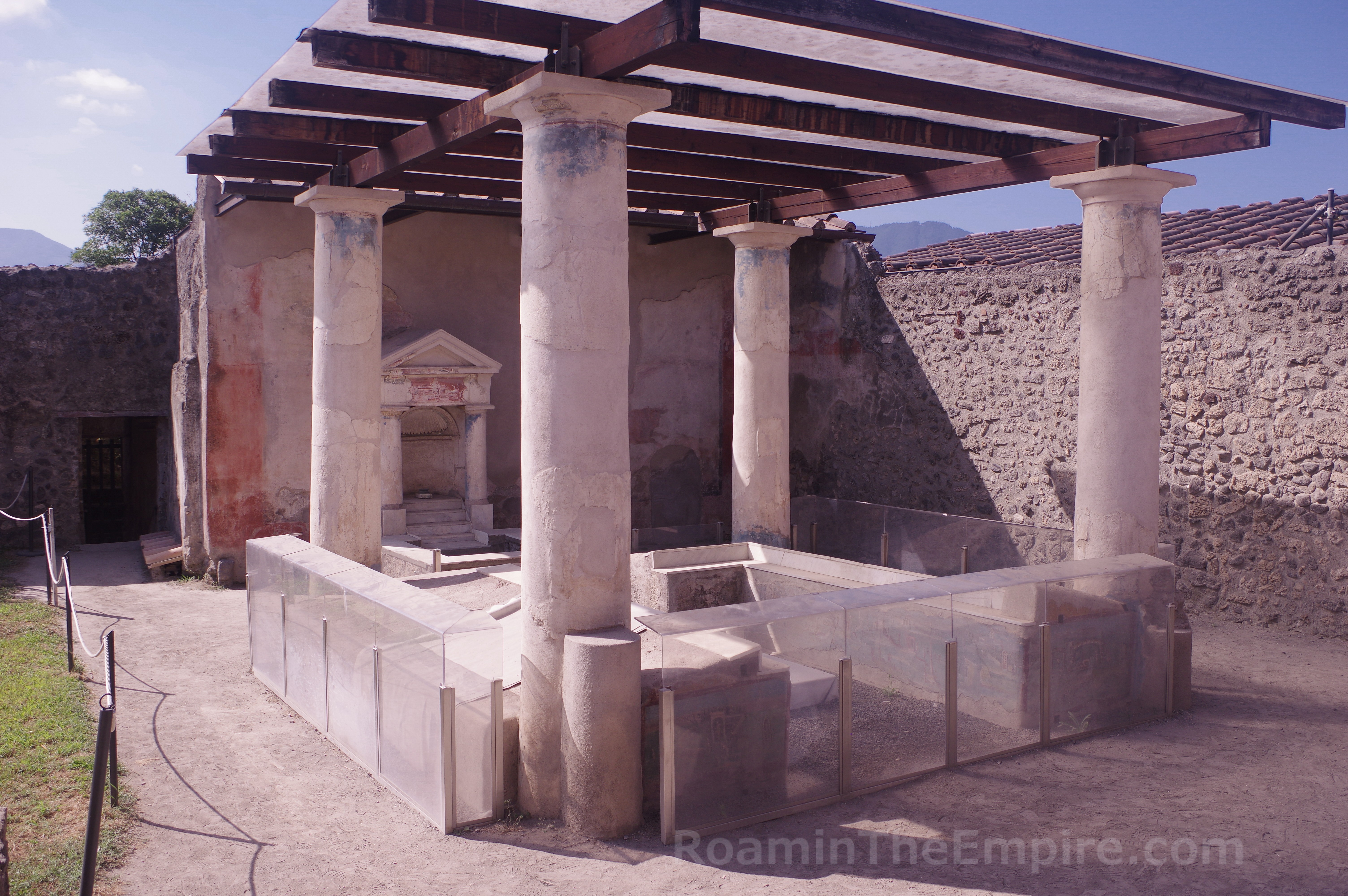
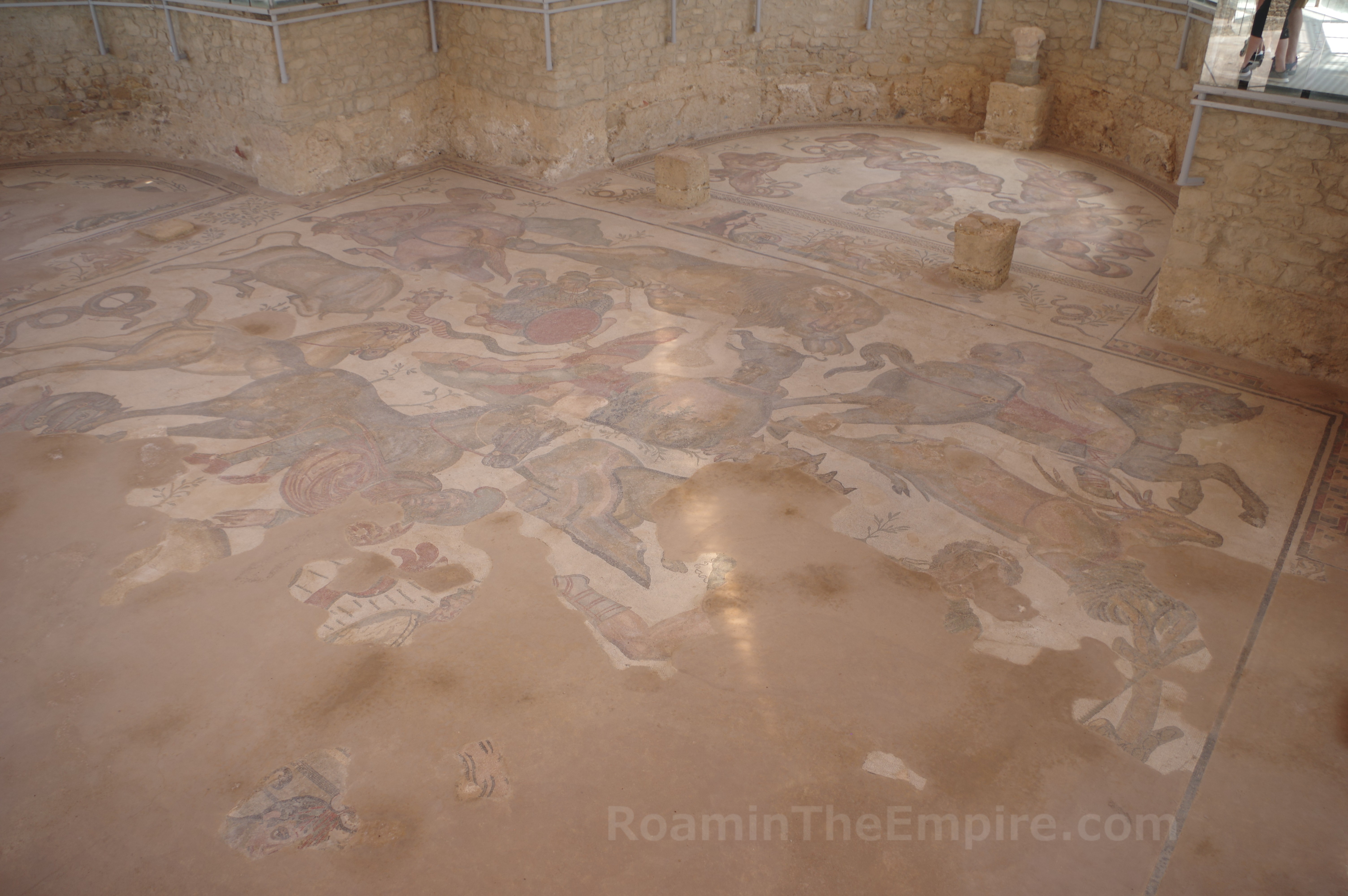
The triclinium (plural: triclinia) was the dining room in the Roman house. The word is derived from the Greek triklinion (τρικλίνιον) which is in turn derived from the Greek words treis (τρεῖς, three) and klino (κλίνω, to lean), which was a reference to the three couches usually situated in such rooms to allow the diners to recline while eating. These three couches, called lecti (singular: lectus) or triclinares, were situated around a small table on which the food would be placed. Triclinia were often richly decorated, sometimes incorporating lavish water features, to impress dinner guests. A wealthy residence may have multiple triclinia; particularly one situated in a more inner location for dining during cooler weather (commonly referred to as a winter triclinium) and another situated adjacent to an open air feature of the house such as a peristyle or hortus that would allow for outside dining (commonly referred to as a summer triclinium). In some cases the lecti were portable wooden furniture, while other examples have the lecti as permanent architectural features of the room.