

Spalatum, Dalmatia – Part I

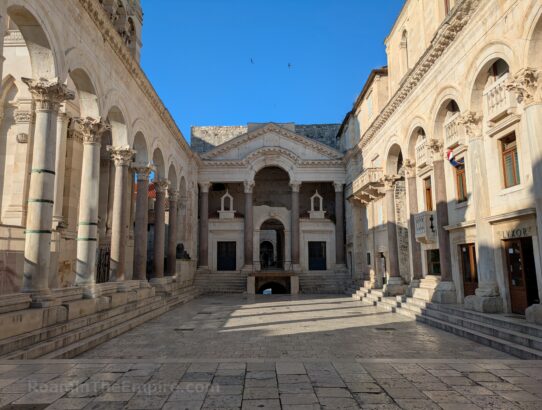
Most Recent Visit: June 2025 The settlement that would later become Spalatum under the Romans was originally founded by settlers from the Greek colony of Issa (modern Vis), located on an island of the same name about 50 kilometers off the coast. The colony was established as Spalathos (or Aspalathos) on a natural harbor on…

Read More
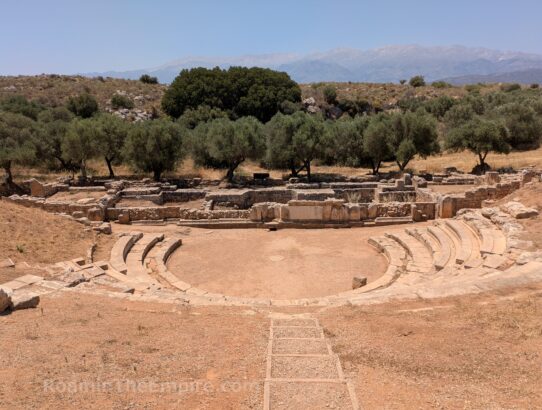
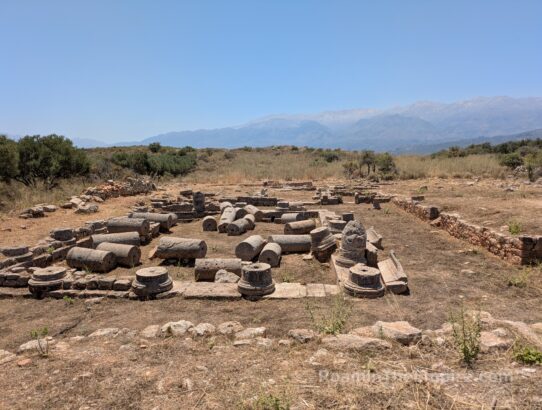
Aptera, Creta – Part II

Continued From Aptera Part I The cisterns that supplied the Baths I are located just a few meters from the south end of the bathing complex, though the remnants of that part of the baths are sparse. These covered cisterns are perhaps the main attraction of the site, with the vaulted roofs of the three…

Read More

Aptera, Creta – Part I

Most Recent Visit: June 2025 The ancient city of Aptera (or Aptara) was located on a strategic plateau above the south side of the mouth of the Souda Bay in northwestern Crete. One derivation given for the name is from the mythological singing contest between the Sirens and the Muses that was said to have…

Read More

Sirmium, Pannonia Inferior – Part II

Continued From Sirmium Part I A few blocks to the southeast of the basilica are what remains of an imperial palace. Located at Pivarska 2, the excavations of the palace are open every day during the week from 8:00 to 17:00 and on Saturday and Sunday from 8:00 to 16:00. Admission is 300 RSD. The…

Read More

Salona, Dalmatia – Part III

Continued From Salona, Dalmatia – Part II. Along the exterior (east side) of the wall from the Porta Caesarea for about 70 meters north are the remains of portions of some residential insulae dating to the 3rd century CE. The pavement of a cardo running relatively parallel to the walls can be seen and the…

Read More

Salona, Dalmatia – Part II

Continued From Salona, Dalmatia – Part I A stairway descends from the top of the fortifications down into the area of the Episcopal Center of Salona, just to the west of the excavated towers. A few meters on and to the west of the bottom is a structure designated as Oratorium A. This space originally…

Read More

Salona, Dalmatia – Part I

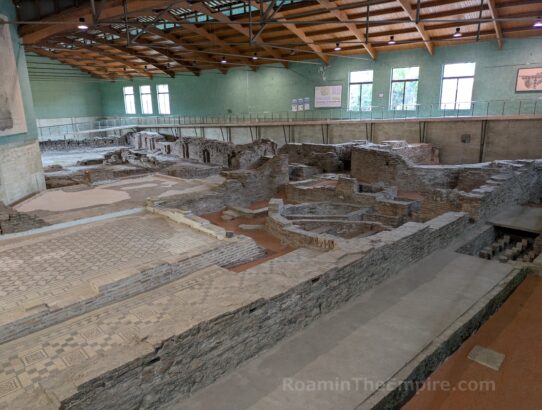
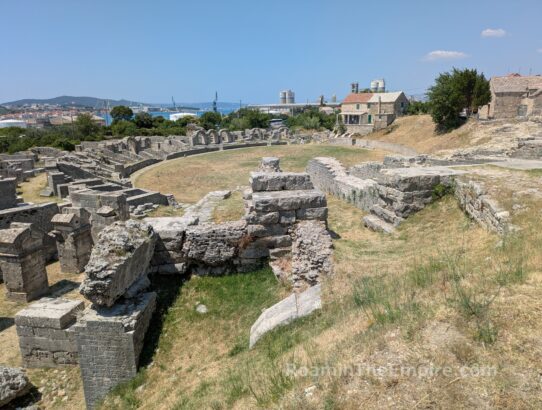
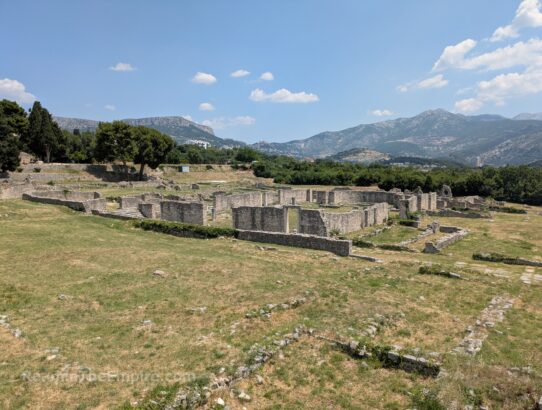
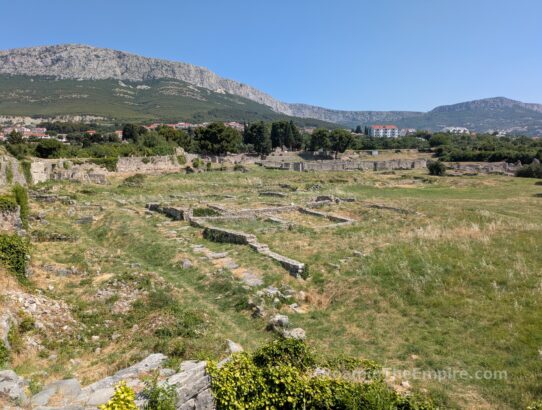
Most Recent Visit: June 2025 Prior to the arrival of the Romans, the area of Colonia Martia Iulia Valeria Salona was part of the territory of the Dalmatae, an Illyrian tribe whose territory and name would later become the basis for the Roman province and modern region of Dalmatia. The Dalmatae seem to have broken…

Read More

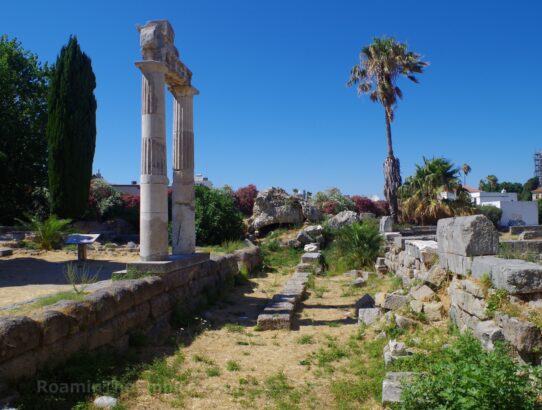
Kos, Asiana – Part IV

Continued From Kos Part III Around 30 meters west of the tholos and eastern/western stoai, along Agiou Nikolaou is the intersection with Vasileos Pavlou A. On the northwest corner of that intersection is another excavated area, the so-called House of the Bronzes. The House of the Bronzes, however, is not a domestic structure at the…

Read More

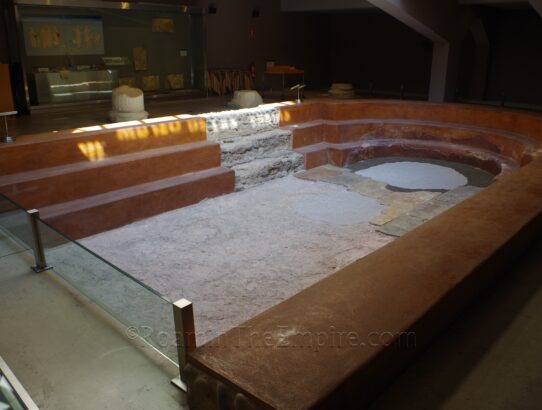
Colonia Caesar Augusta, Hispania Tarraconensis – Part II

Continued From Colonia Caesar Augusta – Part I Just a block away, on the next street to the north of the theater, is the Museo de las Termas Públicas de Caesaraugusta. These are located at the Calle de San Juan y San Pedro 7. These share the same opening and admission scheme as all the…

Read More

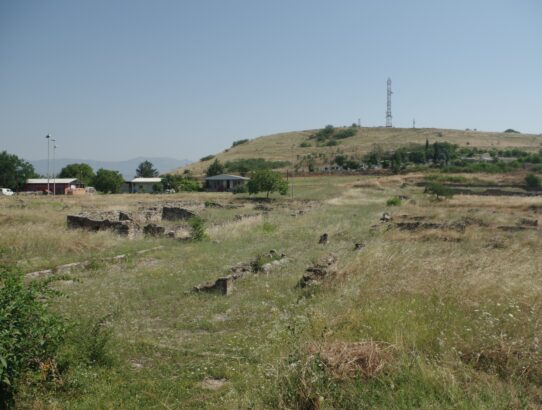
Colonia Flavia Scupinorum, Moesia Superior

Most Recent Visit: July 2024 The site of Colonia Flavia Scupinorum, often shortened to Scupi, is located on the north bank of the Axios (the modern Vardar), a few kilometers outside the modern capital of North Macedonia; Skopje. The immediate area of the settlement has produced archaeological evidence suggesting the location had been inhabited since…

Read More