


Quaestor
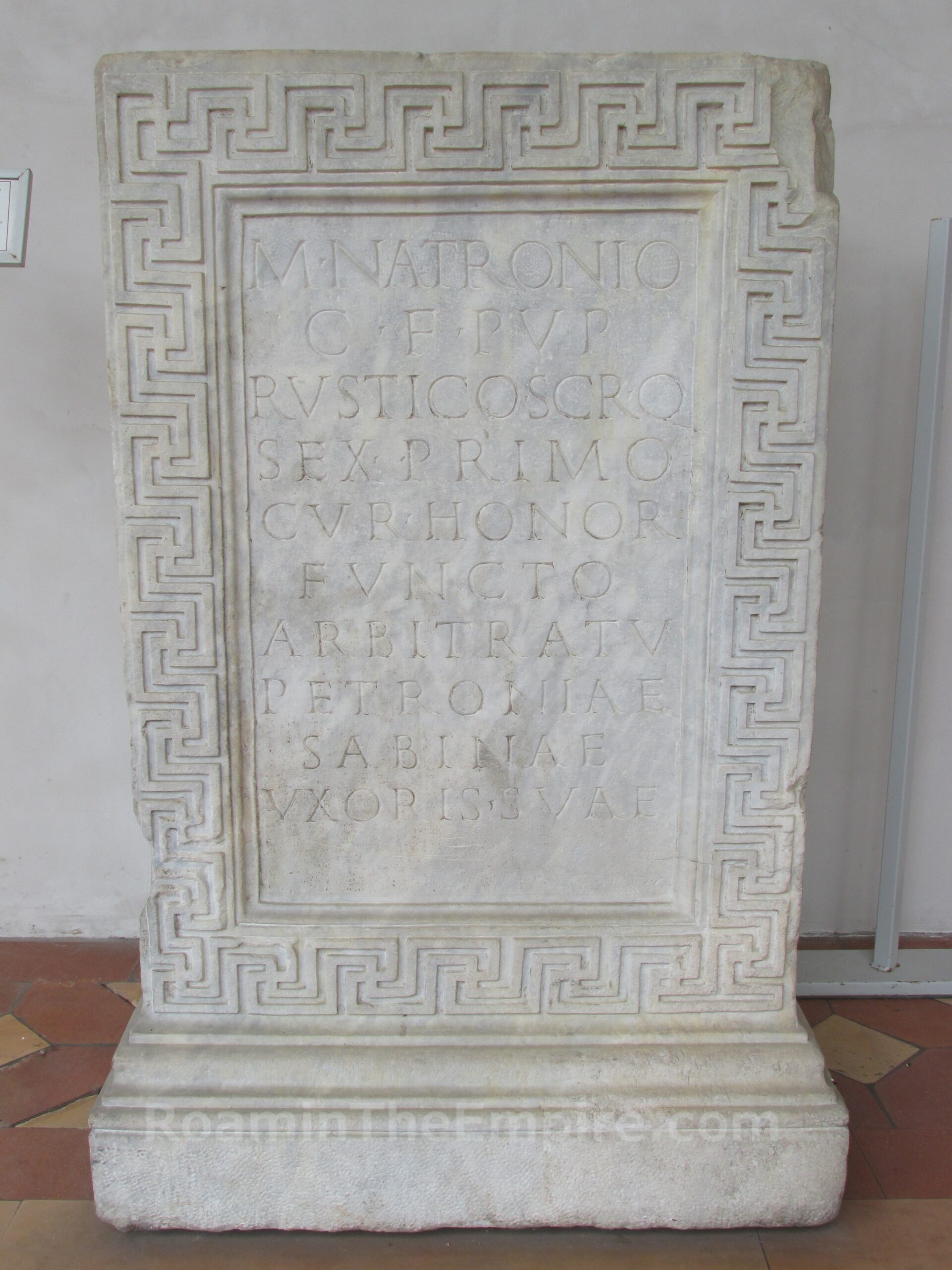
Quaestor (plural: quaestores) was an administrative position within the Roman bureaucracy that was primarily focused on financial duties. The name, literally meaning ‘investigator’ was derived from the Latin quaero, to inquire or investigate. The office was initially created with two positions, first appointed by the consuls and then later in the mid-5th century BCE, elected by the comitia tributa, the tribal council. They were initially responsible for the administration of the public treasury. Later the number of quaestores grew and fluctuated, perhaps peaking at around forty in the late Republic. As the number of spots grew, so did the usage of the quaestor. Rather than purely being administrators of the public treasury in Rome, they were also assigned to assist magistrates such as consuls and proconsuls. Though their duties did still encompass financial accounting in these roles, they were more broadly to assist in all necessary administrative duties of the superior to which they were assigned. For consuls or proconsuls operating with an army, the quaestor might also be in charge of supplying the army and act as officers in a military capacity. When assigned to a provincial governor, the quaestor was effectively second in command and would assume the duties when the governor was absent or had died. During the imperial period, two quaestors would also be hand-picked to serve the emperor from among the elected candidates.
Quaestor was the first office of the cursus honorum, a sequential order of public offices for those with political ambition, following military service. Candidates had to be thirty years old to stand for the office. It preceded the office of aedile.