


Laconicum
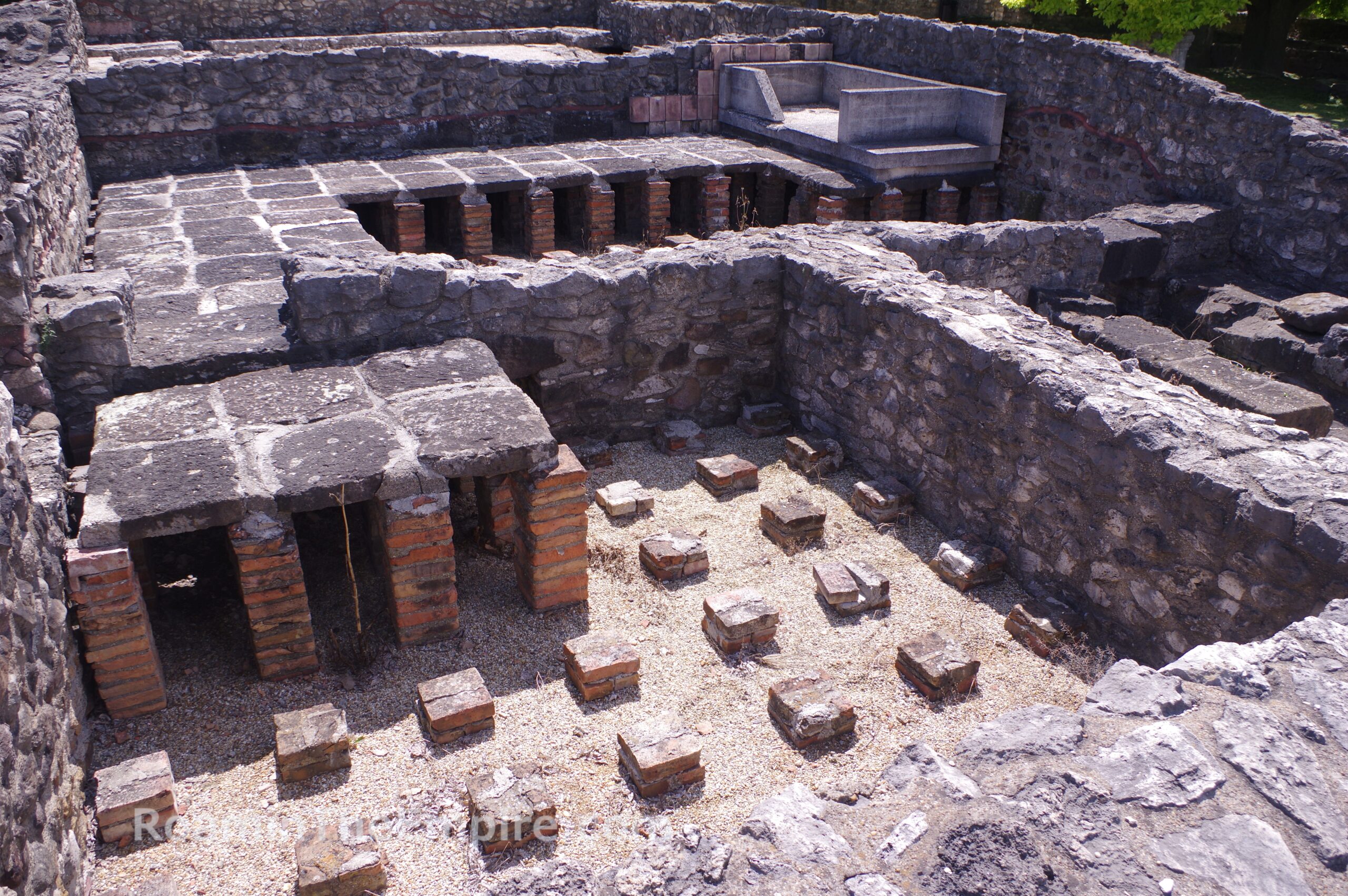
The laconicum (plural: laconica) was the dry sauna of the Roman bathing complex. Its name is derived from Laconia, the region of Sparta, as the dry sweat room was regarded as the only warm bathing feature the Spartans would indulge in. The name is quite literally the Spartan baths. Unlike the caldarium or the similar sudatorium, there was no water involved in this room, it was purely heated air from the floor and walls, resulting in high temperature but low humidity. Like with other heated rooms, though, the heat was supplied to the room via the hypocaust system, a series of pillars that raised the floor above the foundations and allowed heated air to be supplied furnaces, praefurnia. Laconica typically also employed the hollow tubuli in the construction of the walls to allow for heated air up into the walls as well.
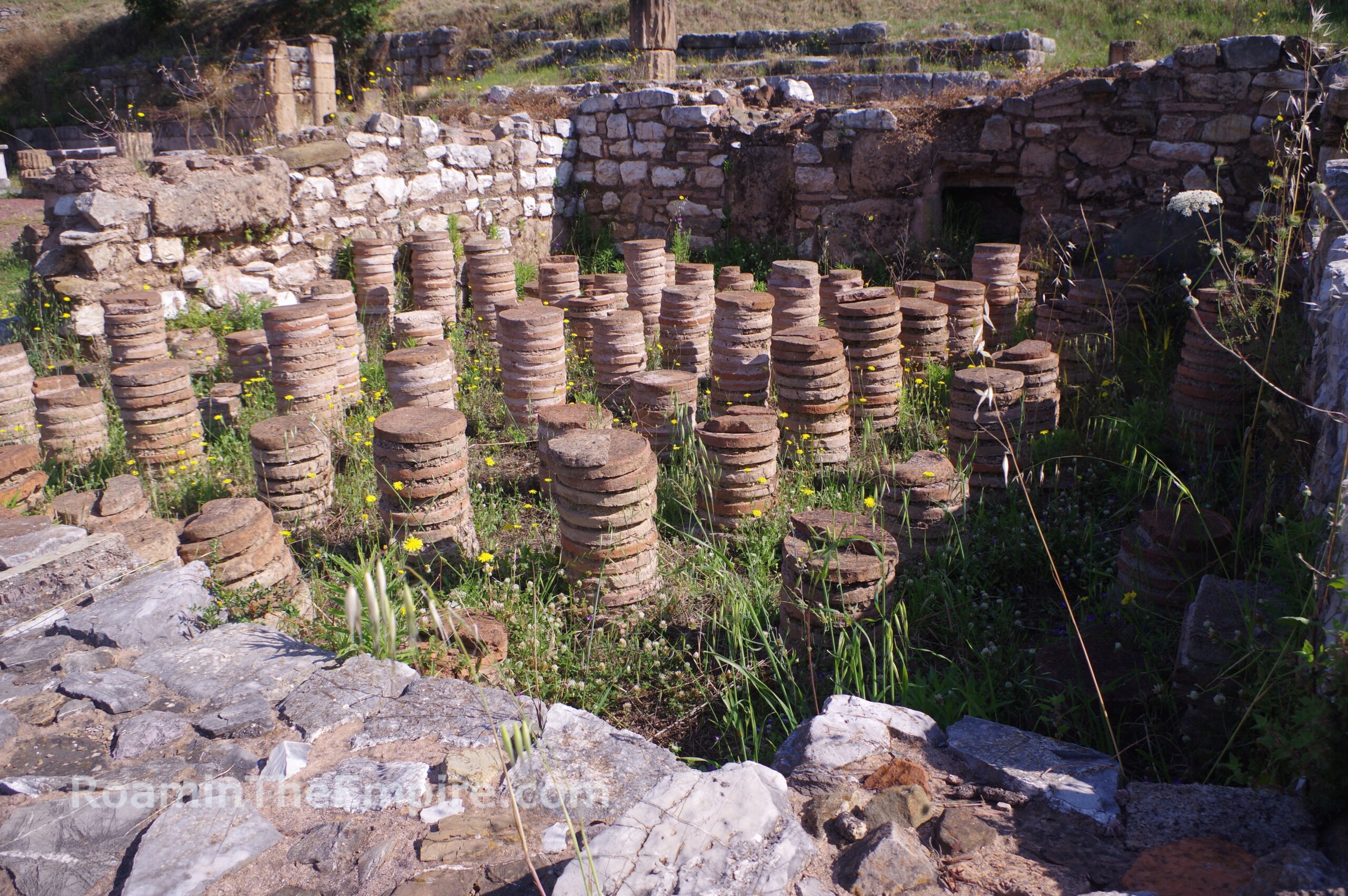
The laconicum was not a standard feature of Roman bathing complexes. It is found in some bathing complexes, but is absent from others. When present, it was typically a circular room, but not always. It also often had a domed ceiling. According to Vitruvius, there was a bronze fitting attached to the center of the ceiling that could be raised and lowered to allow heat out of the room, regulating the temperature. The laconicum was similar structurally and functionally to the sudatorium, but the sudatorium added moisture, making it both high heat and high humidity.


