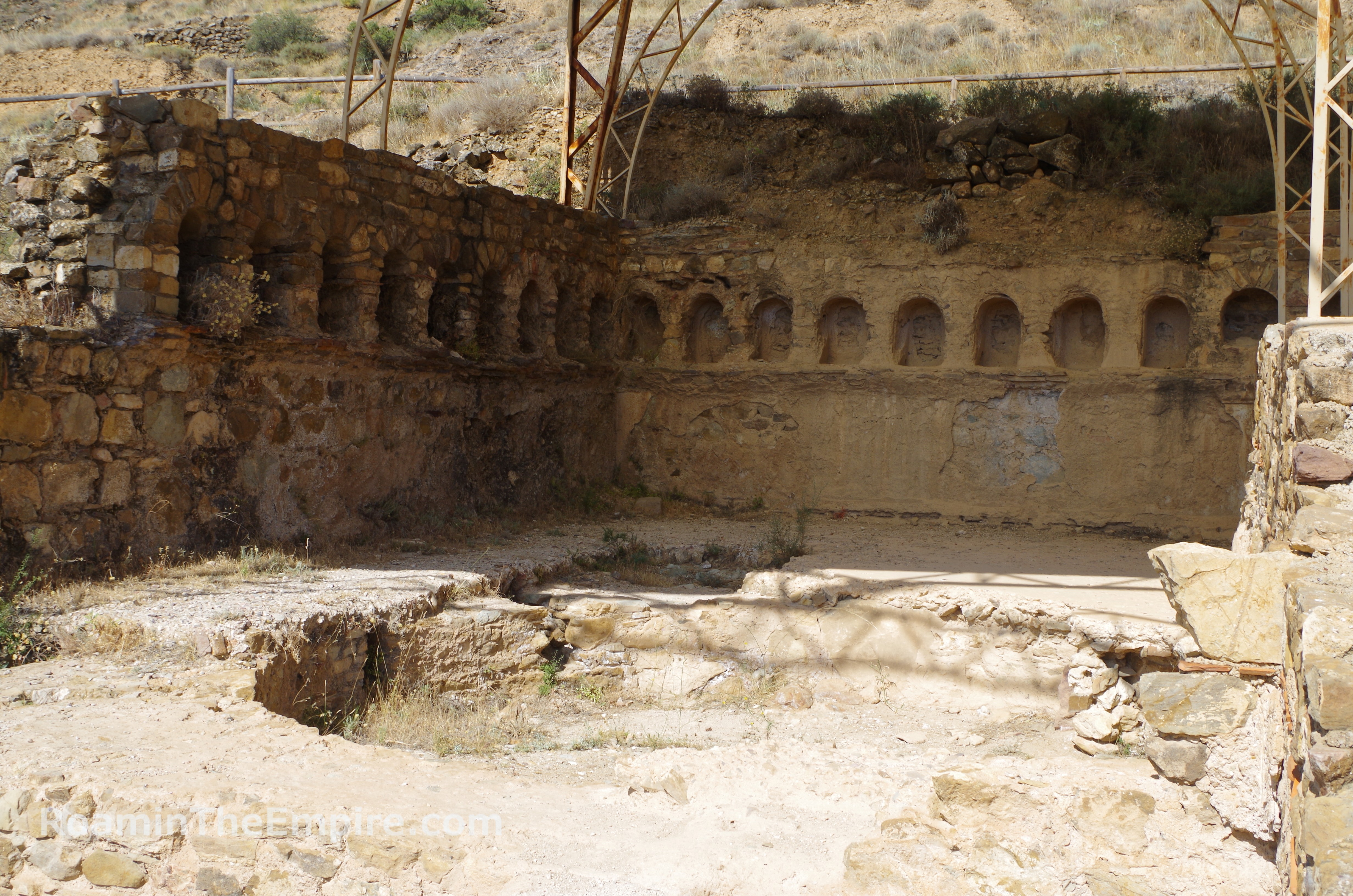


Apodyterium
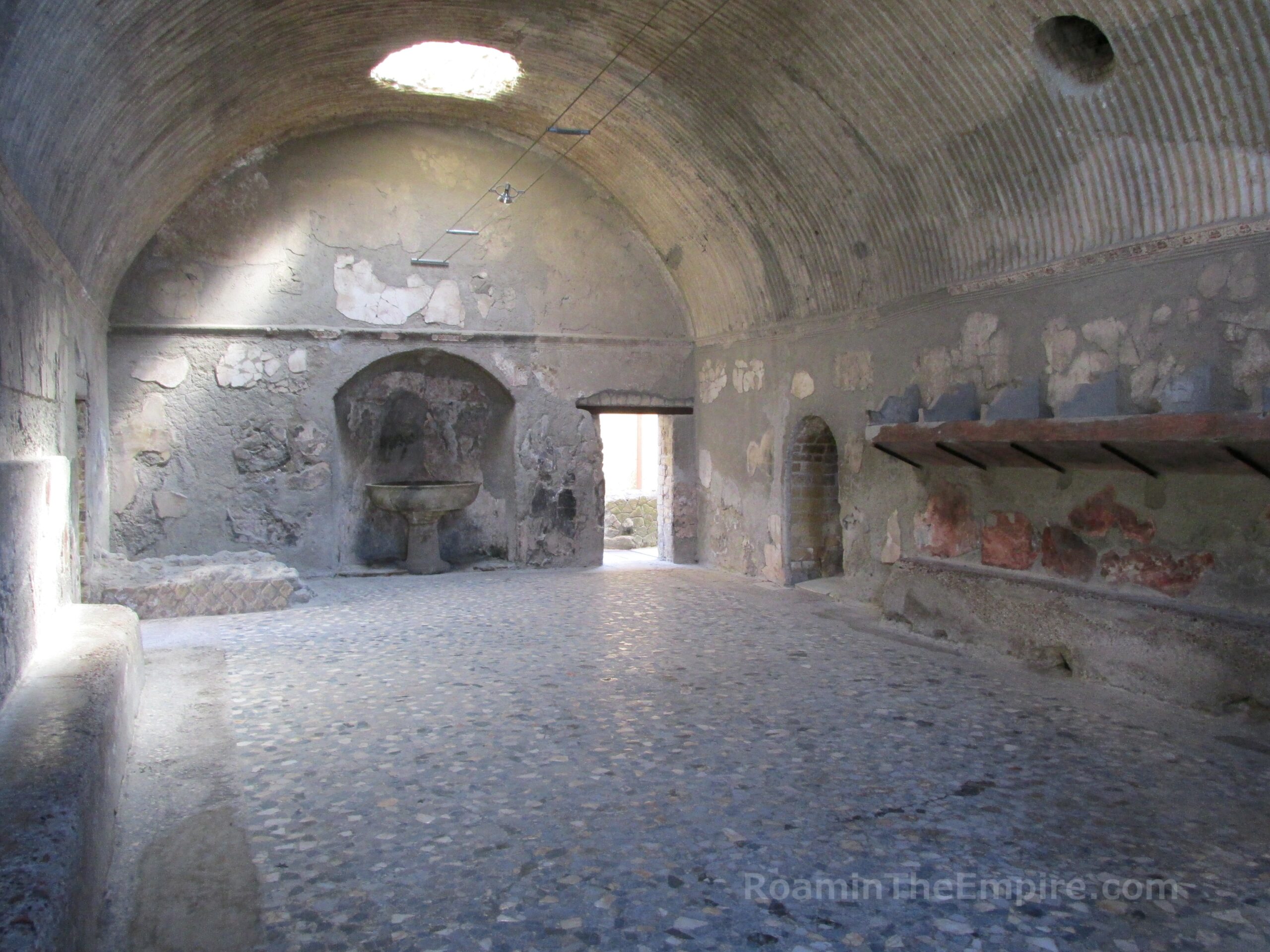
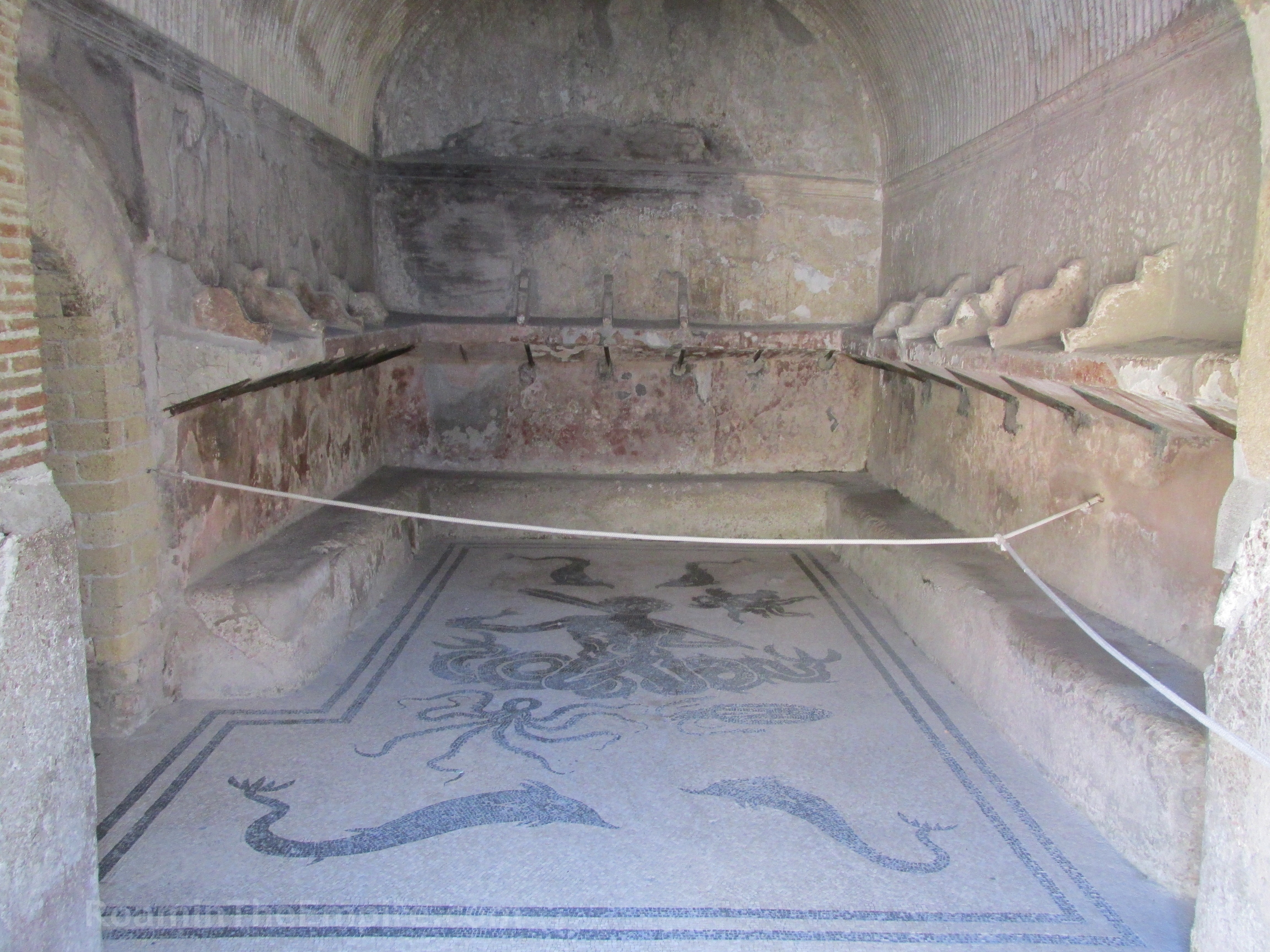
The apodyterium (plural: apodyteria) was the changing room of a Roman bathing complex. The name is derived from the Greek apodutḗrion (ἀποδυτήριον), the undressing room, from apodúō, to strip oneself. This was perhaps one of the most versatile rooms in the baths. By definition, it was the room in which people changed from their everyday clothes into their bathing attire (or lack thereof). These rooms typically had partitioned shelves placed above benches that allowed for bathers to stash their personal effects while they were bathing, similar to lockers, but these were open. Instead, it was often left to a bathers’ slaves to guard their personal items when they were bathing. These shelves often seem to have been constructed of wood and don’t often survive, but in some cases were permanent constructions as part of the wall.
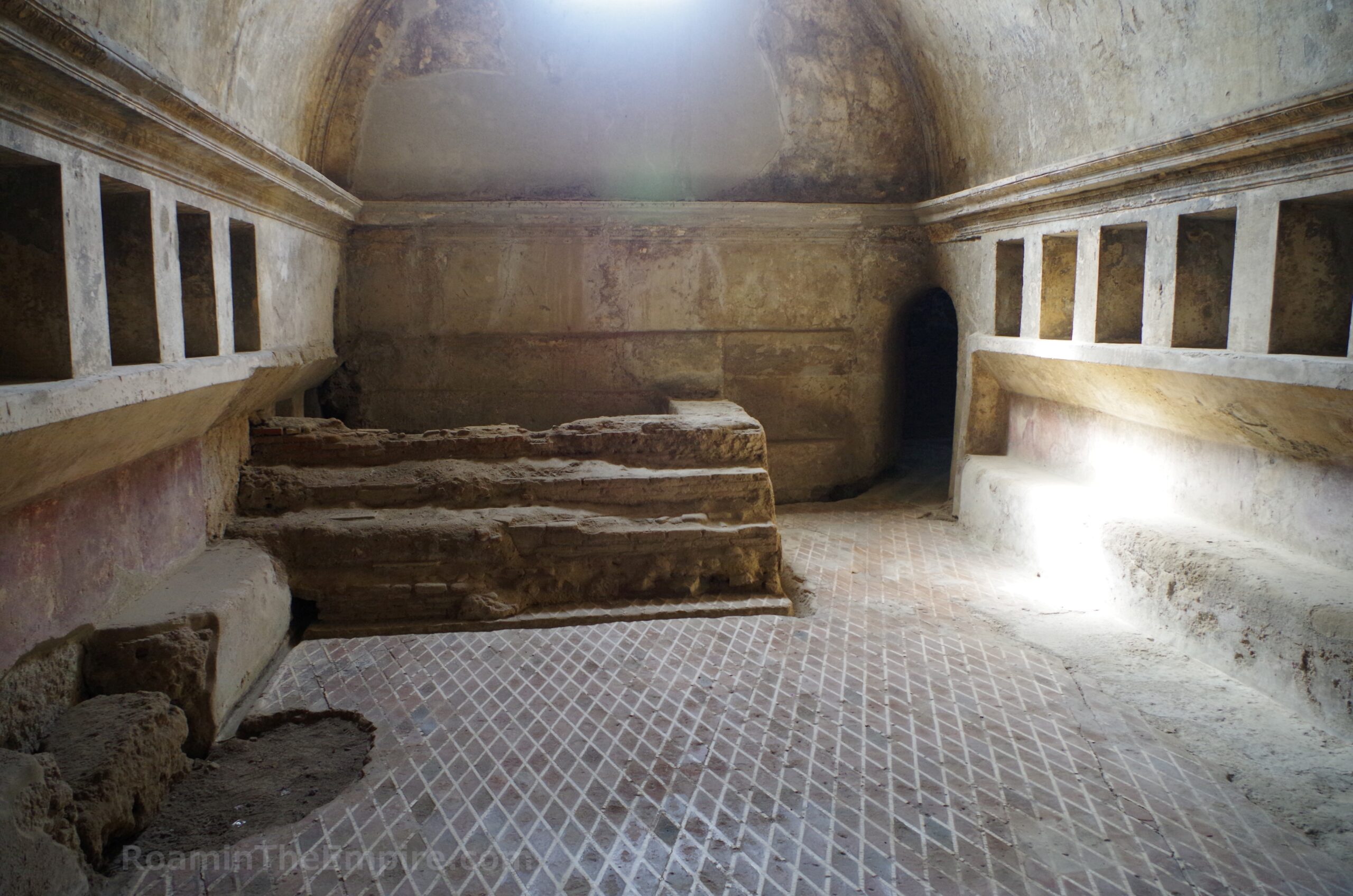
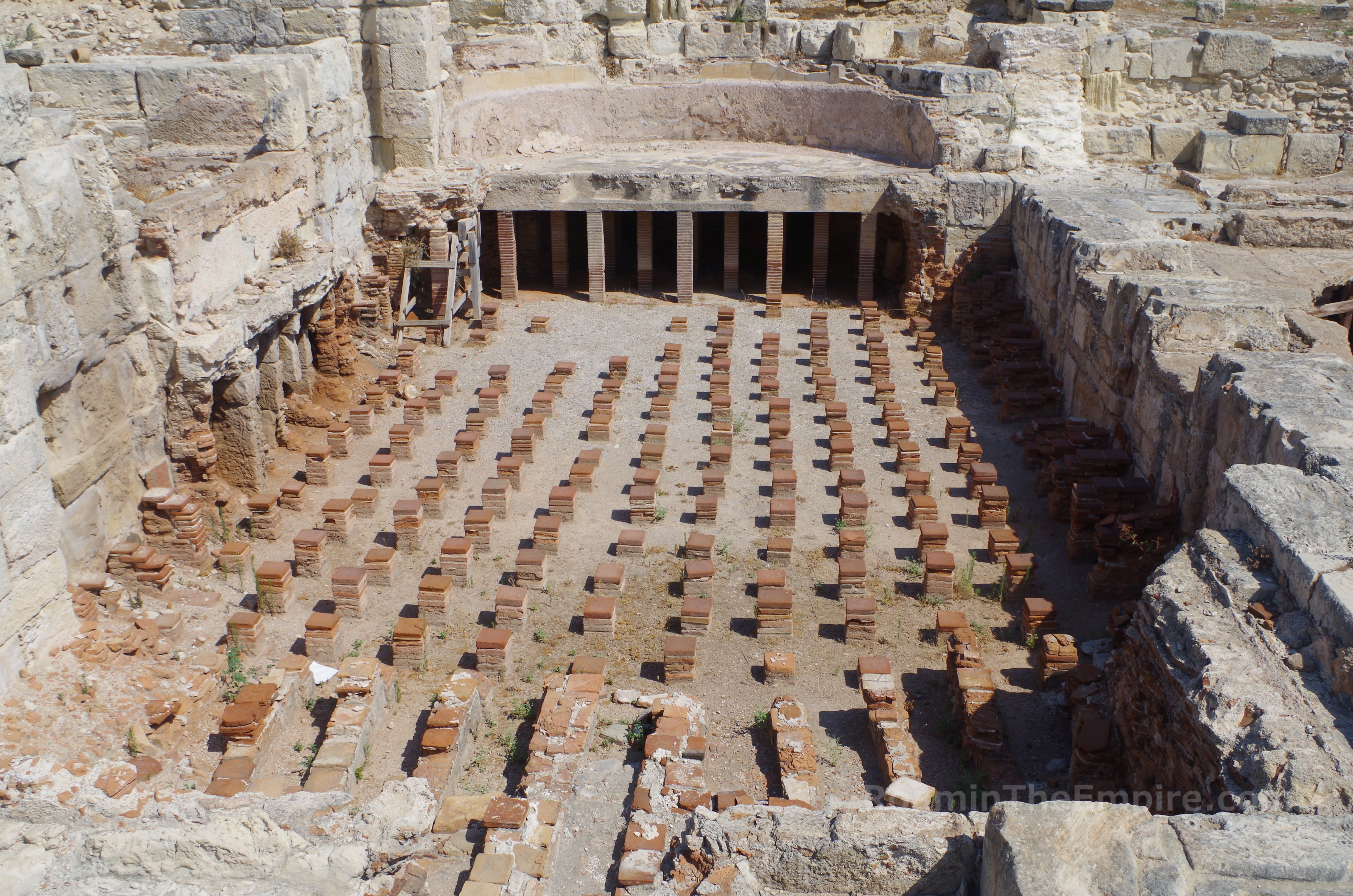
The versatility of the room comes in the examples of the combination with other rooms in some cases. There are some instances of the apodyterium being combined with the frigidarium or tepidarium. An example of the former is the women’s bathing area of the Stabian Baths at Pompeii, which combines the apodyterium and frigidarium. There are also some examples of the apodyterium being heated with an underfloor hypocaust system without necessarily being combined with any of the heated rooms. Although baths sometimes included a separate entrance hall, the apodyterium would also sometimes double as a reception area as well.